
Mastering Piano Notes: A Beginner’s Guide
Learning to play the piano is a rewarding journey that starts with mastering the basics of piano notes. Whether you’re a complete novice or have some musical background, understanding how to read and play piano notes is essential for developing your skills as a pianist.
The Basics of Piano Notes
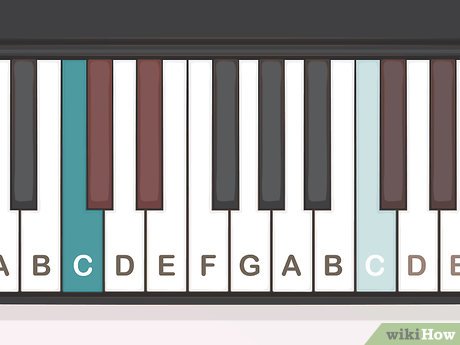
The piano consists of 88 keys, each representing a specific note on the musical scale. These notes range from A to G, with both white and black keys forming the layout of the keyboard. The arrangement of notes repeats in patterns known as octaves.
Reading Piano Notes
Piano notes are represented by symbols placed on the staff, a set of five horizontal lines. Each line and space on the staff corresponds to a specific note on the keyboard. The treble clef is used for higher-pitched notes played with the right hand, while the bass clef is used for lower-pitched notes played with the left hand.
Practice Makes Perfect
Consistent practice is key to mastering piano notes. Start by familiarizing yourself with the layout of the keyboard and identifying each note’s position. Practice playing scales, arpeggios, and simple melodies to improve your finger dexterity and note recognition skills.
Seeking Guidance
If you’re new to learning piano notes, consider enrolling in lessons with a qualified instructor or using online resources and tutorials. A knowledgeable teacher can provide guidance on proper technique, music theory, and help you progress at a comfortable pace.
Embracing Challenges
Learning piano notes may pose challenges along the way, but don’t be discouraged. Embrace mistakes as opportunities for growth and improvement. With dedication, patience, and a passion for music, you can conquer any obstacles that come your way.
9 Essential Tips for Mastering Piano Notes
- Start by learning the names of the notes on the keyboard.
- Practice regularly to improve your note recognition skills.
- Use mnemonic devices to remember the order of notes on the staff.
- Learn to associate each note with its corresponding key on the piano.
- Practice sight-reading to become fluent in reading piano notes quickly.
- Memorize common patterns and intervals to help you identify notes faster.
- Utilize online resources and apps for note recognition exercises and drills.
- Seek guidance from a qualified piano teacher for personalized instruction and feedback.
- Be patient and persistent in your practice, as mastering piano notes takes time and effort.
Start by learning the names of the notes on the keyboard.
To begin mastering piano notes, it is crucial to start by learning the names of the notes on the keyboard. Understanding the layout of the piano keys and associating each note with its specific name is fundamental in developing a strong foundation in piano playing. By familiarizing yourself with the names of the notes, you will build confidence in navigating the keyboard and interpreting musical scores accurately. This initial step sets the stage for further exploration and growth as you progress on your journey to becoming a skilled pianist.
Practice regularly to improve your note recognition skills.
To enhance your ability to recognize piano notes, it is crucial to practice consistently. By dedicating regular time to playing scales, arpeggios, and simple melodies on the piano, you can strengthen your note recognition skills and develop a deeper understanding of musical patterns. Repetition and practice are key in building muscle memory and training your ear to identify notes effortlessly. Make practicing a part of your daily routine to see significant improvements in your piano playing proficiency over time.
Use mnemonic devices to remember the order of notes on the staff.
Utilizing mnemonic devices can be a valuable tool in aiding your memory of the order of notes on the staff when learning to play the piano. By creating clever phrases or acronyms that correspond to the notes, such as “Every Good Boy Does Fine” for the lines of the treble clef or “All Cows Eat Grass” for the spaces of the bass clef, you can easily recall and identify each note position. These mnemonic devices provide a fun and effective way to reinforce your understanding of piano notes and enhance your overall learning experience.
Learn to associate each note with its corresponding key on the piano.
To effectively learn piano notes, it is crucial to associate each note with its corresponding key on the piano. By understanding the relationship between the musical notation and the physical keys on the keyboard, aspiring pianists can develop a strong foundation for playing melodies and chords with accuracy and confidence. This fundamental connection between notes and keys enhances note recognition skills and facilitates smoother transitions between different pitches, ultimately enhancing the overall musical performance on the piano.
Practice sight-reading to become fluent in reading piano notes quickly.
To enhance your proficiency in reading piano notes swiftly, incorporate sight-reading practice into your routine. Sight-reading involves playing music you haven’t seen before, which sharpens your ability to recognize notes on the staff and translate them to the keyboard efficiently. By regularly engaging in sight-reading exercises, you can develop a keen eye for patterns, improve your note-reading speed, and boost your overall fluency in playing the piano.
Memorize common patterns and intervals to help you identify notes faster.
Memorizing common patterns and intervals is a valuable tip that can significantly enhance your ability to identify piano notes quickly and accurately. By familiarizing yourself with the recurring patterns and intervals in music, you can train your ear to recognize notes more efficiently. This approach not only speeds up the learning process but also helps you develop a deeper understanding of the relationships between different notes on the keyboard. With practice and dedication, mastering these patterns and intervals will empower you to navigate the piano with confidence and precision.
Utilize online resources and apps for note recognition exercises and drills.
To enhance your proficiency in learning piano notes, make the most of online resources and apps that offer note recognition exercises and drills. These tools can provide interactive and engaging practice sessions to help you strengthen your ability to identify notes on the staff quickly and accurately. By incorporating technology into your learning process, you can supplement traditional methods with modern tools that cater to various learning styles, making your piano journey more effective and enjoyable.
Seek guidance from a qualified piano teacher for personalized instruction and feedback.
Seeking guidance from a qualified piano teacher is invaluable when learning piano notes. A skilled instructor can provide personalized instruction tailored to your learning pace and style, offering valuable feedback to help you improve your technique and musical understanding. With the guidance of a knowledgeable teacher, you can navigate the intricacies of piano notes with confidence and precision, setting a strong foundation for your musical journey ahead.
Be patient and persistent in your practice, as mastering piano notes takes time and effort.
Patience and persistence are essential virtues when learning to master piano notes. Progressing in your musical journey requires dedicated practice and a willingness to embrace challenges along the way. Remember that Rome wasn’t built in a day, and similarly, becoming proficient in playing piano notes takes time, effort, and unwavering determination. Stay committed to your practice routine, stay positive through setbacks, and celebrate each small victory as you gradually enhance your skills and musical understanding.