
Sheet Music: A Guide for Musicians
Sheet music is a written way to represent music. It uses symbols, notes, and other markings to show musicians what to play, how long to play it, and how the music should sound. Whether you are learning your first instrument or preparing a complex performance, sheet music can help turn musical ideas into something performers can read and share.
What Sheet Music Shows
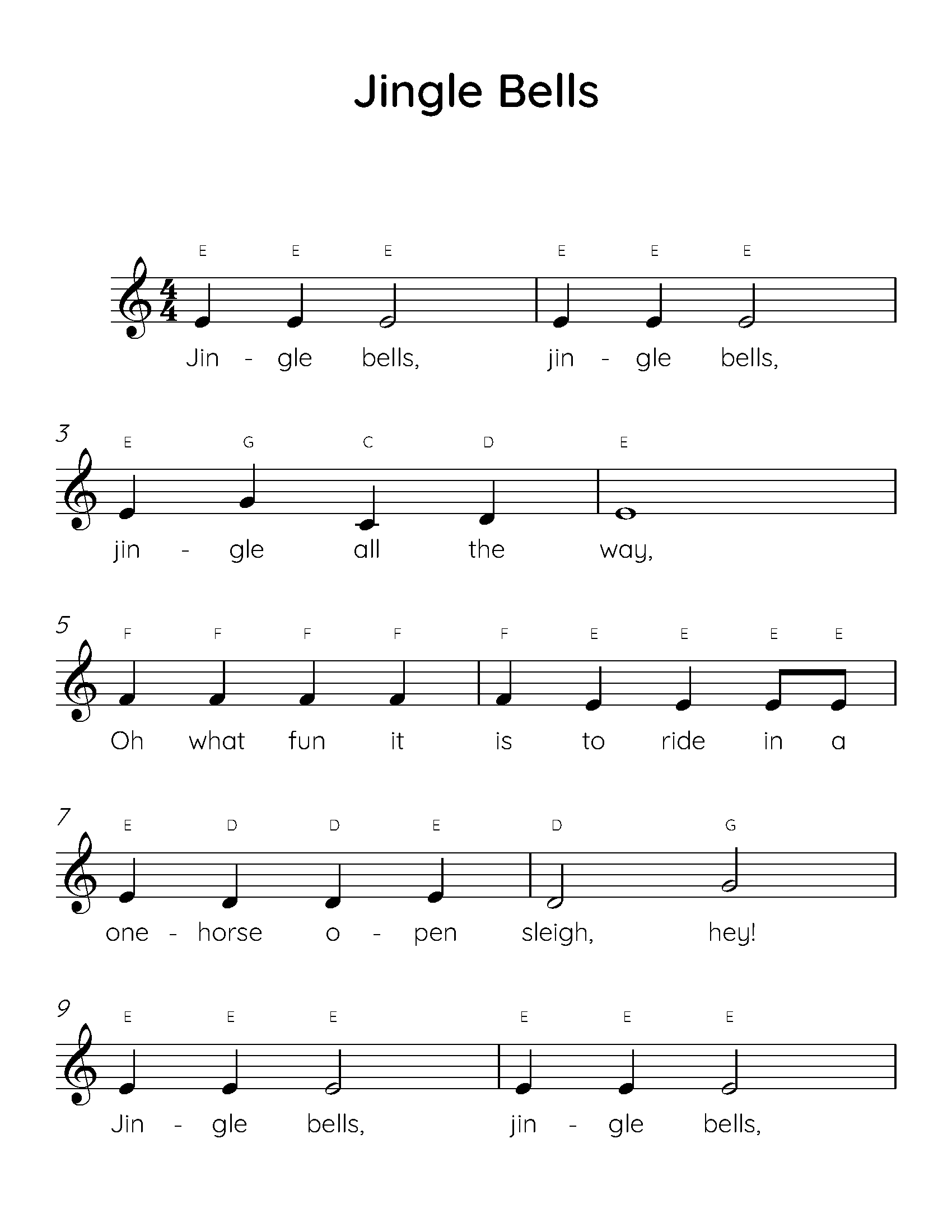
Most sheet music is written on a set of five horizontal lines called a staff. Notes appear on the lines and spaces, and their positions indicate pitch. The clef at the beginning of the staff helps identify which pitches the lines and spaces represent. The treble clef is commonly used for instruments such as violin, flute, and guitar, while the bass clef is often used for lower-pitched instruments, including cello and bass guitar.
Other symbols provide information about rhythm, tempo, dynamics, and expression. Note shapes and stems indicate how long notes last, while rests show when to pause. A time signature describes how beats are grouped in each measure, and a key signature shows which notes are typically sharp or flat. Markings such as piano (soft) and forte (loud) guide the volume and character of a performance.
Different Kinds of Sheet Music
Sheet music comes in formats suited to different musical needs. A full score displays the parts for multiple instruments together, making it useful for conductors and ensembles. A part contains the music for a single instrument. Lead sheets usually present a melody, lyrics, and chord symbols, giving performers room to create their own accompaniment. Piano-vocal arrangements combine a vocal line and lyrics with a piano part, while tablature shows players where to place their fingers on instruments such as guitar or bass.
How to Read Sheet Music
Reading music takes practice, but beginners can build the skill gradually. Start by learning the notes on the staff and understanding basic rhythm. Clap or tap simple patterns before playing them, and pay attention to the time signature and tempo. It can also help to practice a short section slowly, then increase the speed as the notes become more familiar.
Musicians who play by ear can use sheet music as a reference rather than a strict set of instructions. The notation provides a shared foundation, while interpretation allows performers to shape phrasing, tone, and timing.
Finding and Using Sheet Music
Sheet music is available in printed collections, music stores, libraries, and digital catalogs. Some publishers and organizations offer music for free, while other works require payment. Before downloading, printing, arranging, or sharing a score, check its copyright and licensing terms. A song’s recording, arrangement, and written score may each have separate rights.
For a comfortable practice setup, choose a readable edition and place it where it is easy to see without interrupting your playing. Digital sheet music can be convenient on a tablet, while printed pages may work better for musicians who prefer a physical copy. A pencil can also be useful for marking reminders, as long as the edition’s rules allow it.
A Lasting Musical Tool
Sheet music helps preserve compositions, support music education, and bring performers together across instruments and generations. It can be a learning guide, a rehearsal resource, or a starting point for creative interpretation. With patience and regular practice, musicians can use it to explore new repertoire and communicate musical ideas with greater confidence.
Top FAQs About Sheet Music: Websites, Terminology, and Access
- What is best sheet music website?
- What is sheet music called?
- Can anyone explain sheet music?
- What do you call sheet music?
- What is a sheet of music called?
- Is sheet music free legal?
- How do I get sheet music?
- What is sheet music language called?
What is best sheet music website?
The best sheet music website depends on what you need. For licensed, professionally arranged scores, look for a reputable retailer or publisher with clear previews, searchable catalogs, and formats that suit your instrument. If you want interactive features or subscription access, compare the available titles, playback tools, printing and download options, and pricing. For free music, check that the scores are legally shared and in the public domain or properly licensed. Before choosing a site, preview a few arrangements to make sure they match your skill level and preferred style.
What is sheet music called?
Sheet music is also called musical notation, written music, or a music score. “Score” often refers to written music for one or more instruments, while “sheet music” usually means a printed or digital page of notation used by a performer. The terms are often used interchangeably, though the exact meaning can depend on the musical context.
Can anyone explain sheet music?
Sheet music is a written way to show how music should be played. Notes placed on the five lines and spaces of a staff indicate pitch, while their shapes show how long to play them. Other symbols provide instructions for rhythm, pauses, tempo, volume, and expression. At first, the symbols may seem unfamiliar, but learning the basics a little at a time makes it easier to read and perform music.
What do you call sheet music?
Sheet music is also called musical notation, written music, or a music score. “Score” often refers to the complete written music for a piece, especially one arranged for multiple instruments, while an individual musician’s part may be called a sheet music part. The exact term depends on the context, but all describe music written with symbols so performers can read and play it.
What is a sheet of music called?
A sheet of written music is commonly called a music score or sheet music. For a single instrument or singer, it may also be called a part; a full score shows the music for all instruments or voices in an ensemble. The term “score” is often used broadly, while “sheet music” usually refers to the printed or digital pages musicians read when performing.
Is sheet music free legal?
Sheet music can be free and legal to use, but it depends on the specific score and its copyright status. Music in the public domain may generally be copied and shared, while newer works are often protected by copyright—even if a score is available to download at no cost. Free access does not automatically mean permission to print, distribute, perform, or arrange the music. Check the publisher’s license or usage terms, and use reputable sources that clearly explain what is permitted.
How do I get sheet music?
You can get sheet music from music stores, libraries, publishers, and reputable online catalogs. Search by song title, composer, or artist, and check that the arrangement matches your instrument and skill level. Some scores are available for free, while others must be purchased or licensed; always review copyright terms before downloading, printing, or sharing a copy.
What is sheet music language called?
The written system used to represent music is called music notation, or musical notation. It uses symbols on a staff to show pitch, rhythm, tempo, dynamics, and other performance instructions. Sheet music isn’t a language in the same way spoken English or Spanish is, but its notation is a shared system musicians around the world can learn to read.