
Music Sheets: A Guide to Reading and Using Sheet Music
A music sheet, more commonly called a sheet of music or sheet music, is a written way to represent music. It uses symbols and markings to show which notes to play, how long to hold them, how loudly to perform, and how the music should be phrased. Sheet music helps musicians learn pieces, practice independently, and perform together.
What Does a Music Sheet Show?
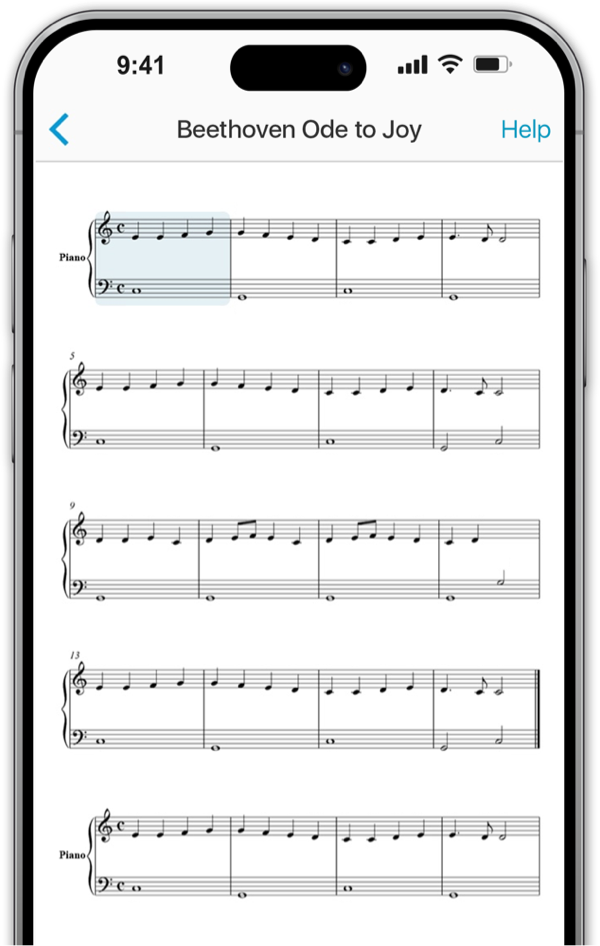
Most music sheets are organized around a staff: a set of five horizontal lines and the spaces between them. Notes appear on the lines or spaces, and their positions indicate pitch. A clef at the beginning of the staff tells the musician how to read those pitches. The treble clef is common for instruments such as the violin, flute, and right hand of the piano, while the bass clef is often used for lower-pitched instruments and the left hand of the piano.
Other symbols provide important performance details. The key signature shows which notes are raised or lowered throughout a piece. The time signature indicates how beats are grouped into measures. Note shapes and rests show when to play and when to pause, while tempo markings suggest the speed of the music.
Common Elements of Sheet Music
- Notes: Symbols that represent pitches and durations.
- Rests: Symbols that indicate periods of silence.
- Measures: Sections that divide music into groups of beats.
- Dynamics: Markings that guide volume, such as soft or loud.
- Articulation: Instructions for shaping notes, including playing them smoothly or sharply.
- Tempo markings: Directions that describe how quickly or slowly a passage should be played.
Why Musicians Use Sheet Music
Sheet music gives musicians a shared reference. In an ensemble, it helps each performer follow the same pitches, rhythms, and structure. For solo musicians, it can make unfamiliar pieces easier to learn and provide a record of music that can be revisited over time.
Reading music can also deepen a musician’s understanding of how a piece is built. The page may reveal repeating patterns, changes in harmony, or shifts in rhythm that are less obvious when listening alone. At the same time, sheet music is a guide rather than a complete description of every performance choice. Musicians often make expressive decisions about tone, phrasing, and interpretation.
How to Start Reading Music
Beginners can start by learning the notes on one staff and becoming familiar with basic rhythms. It helps to practice a little at a time: identify the clef, notice the key and time signatures, then read a short passage slowly. Clapping or counting rhythms before playing can make challenging passages easier to understand.
Using an instrument while reading is especially helpful. Play a few measures, listen carefully, and check whether the sound matches the notes on the page. Regular practice builds recognition, so musicians can gradually spend less time decoding symbols and more time focusing on the music.
Printed and Digital Sheet Music
Sheet music is available in both printed and digital formats. Printed copies are easy to mark up with pencil, while digital scores can be stored on a tablet or computer and may include features such as adjustable page layouts or playback. Whichever format you choose, make sure the music is clear and suitable for your instrument and skill level.
It is also important to consider copyright. Some works are in the public domain, while newer compositions may be protected. Use reliable sources and check the terms of use before downloading, sharing, or reproducing a score.
Finding the Right Music Sheet
When looking for sheet music, check the instrument, arrangement, and difficulty level. A song may have different versions for piano, guitar, voice, or a full ensemble. Beginners may prefer simplified arrangements, while experienced players may want an edition that includes the original parts or detailed performance markings.
Whether you are learning your first melody or preparing for a performance, sheet music can be a useful companion. With practice, its symbols become a practical language for exploring, learning, and sharing music.
Everything You Need to Know About Sheet Music: FAQs Answered
- What is sheet music?
- How do you read sheet music?
- What do the notes and symbols on a music sheet mean?
- Where can I find free sheet music online?
- How can I print sheet music?
- Is sheet music available for different instruments and skill levels?
- How can I tell whether sheet music is copyrighted?
What is sheet music?
Sheet music is a written representation of music that uses notes and other symbols to show what to play or sing. It can indicate pitch, rhythm, tempo, volume, and expression, helping musicians learn a piece and perform it consistently. Sheet music is created for many instruments and skill levels, from simple beginner arrangements to complex scores for ensembles.
How do you read sheet music?
To read sheet music, start by identifying the clef, which tells you how the notes on the five-line staff correspond to pitches. Check the key signature for sharps or flats and the time signature for how beats are grouped. Then read the notes from left to right, using their positions to determine pitch and their shapes to determine duration; rests indicate silence. Tempo, dynamics, and articulation markings provide additional guidance on speed, volume, and style. Begin slowly, count the beats, and use your instrument or voice to connect the written notes with their sound.
What do the notes and symbols on a music sheet mean?
The notes and symbols on a music sheet tell you what to play and how to play it. A note’s position on the staff indicates its pitch, while its shape shows how long to hold it; rests mark periods of silence. Other symbols provide details such as the clef, key and time signatures, tempo, volume, and articulation. Together, these markings help musicians understand a piece’s structure and interpret its sound.
Where can I find free sheet music online?
Free sheet music is available from reputable online libraries such as the International Music Score Library Project (IMSLP), which offers many public-domain scores, and the Mutopia Project, which provides free classical sheet music. You can also check trusted music education sites and publishers for free, legally shared arrangements. Before downloading or sharing a score, review its copyright and usage terms, since a song’s recording or arrangement may still be protected even if the original composition is in the public domain.
How can I print sheet music?
To print sheet music, open the score on your computer or device and select Print from the file menu or use the print shortcut. Choose the correct printer, paper size, and page orientation, then check the print preview to make sure the entire score fits on the page and the notes are legible. If the sheet music is a PDF, you can print it directly from a PDF viewer. Before printing or sharing a score, check its copyright and usage terms.
Is sheet music available for different instruments and skill levels?
Yes, sheet music is available for a wide range of instruments and skill levels. Many songs are published in arrangements for piano, guitar, voice, strings, winds, and ensembles, with options ranging from simplified beginner versions to more challenging arrangements for advanced musicians. When choosing a score, check that it matches your instrument, experience level, and preferred arrangement.
How can I tell whether sheet music is copyrighted?
Check the sheet music for a copyright notice, publication date, and the names of the composer, lyricist, publisher, or arranger. However, the absence of a notice does not mean the music is free to use: copyright can apply automatically, and a newer arrangement of an older public-domain song may have its own copyright. When in doubt, check the publisher’s website, a reliable public-domain resource, or the U.S. Copyright Office’s records, and review the license terms before copying, sharing, or performing the score.