
Violin Music Notes: A Beginner’s Guide
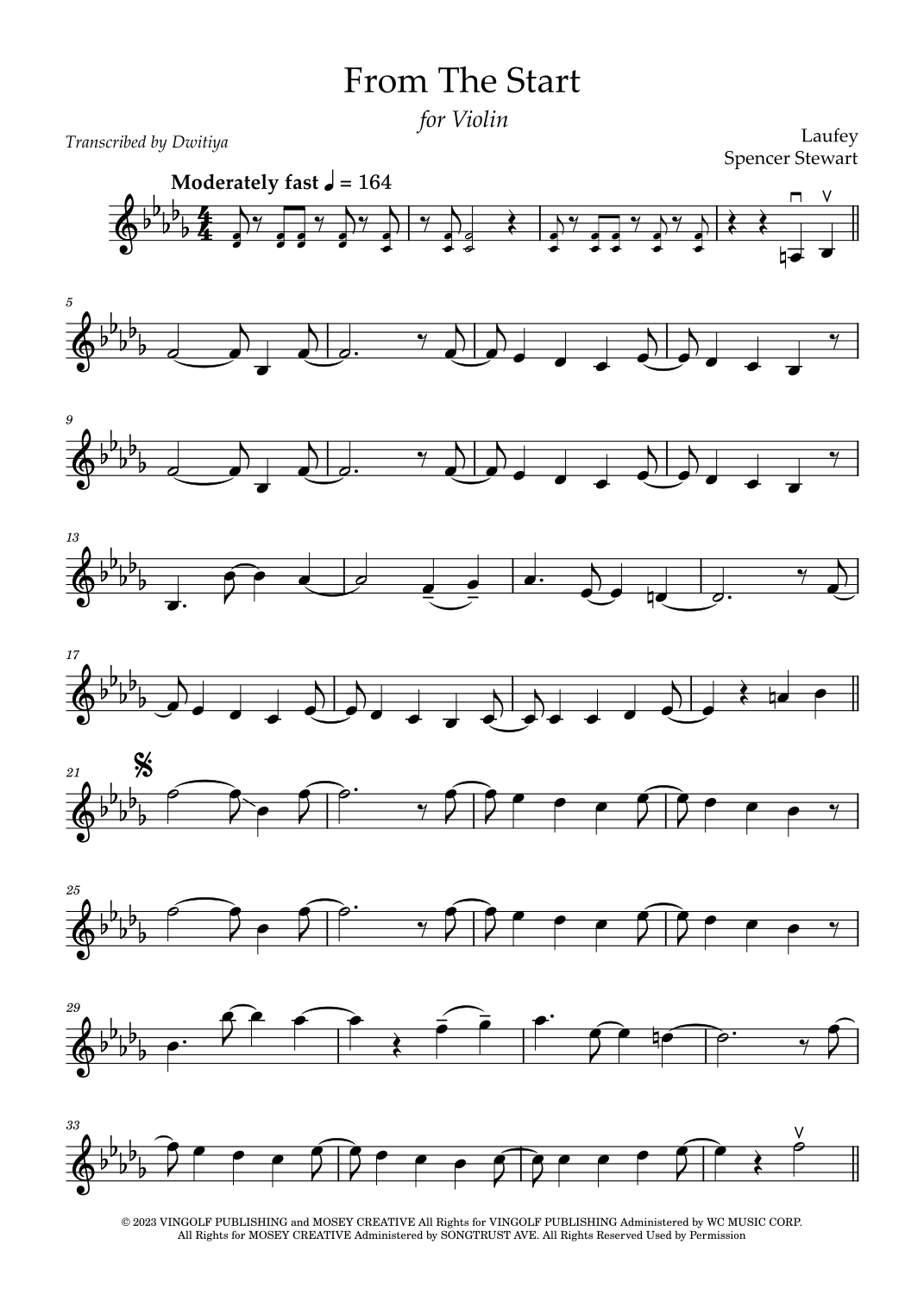
Learning to read violin music notes is an important step toward playing confidently. The violin uses the treble clef, and its four strings are tuned in fifths: G, D, A, and E. With a little practice, players can connect the notes on the page to the sounds and finger placements on the instrument.
The Violin’s Open Strings
Each violin string produces a note when played without pressing a finger on the fingerboard. These are called open strings. From lowest in pitch to highest, they are:
- G string: G3
- D string: D4
- A string: A4
- E string: E5
Numbers after note names indicate the octave. The A string is commonly tuned to A4, which is the A above middle C. Players often tune the other strings by comparing their pitches to the A.
Reading Notes in the Treble Clef
Violin music is usually written on a five-line staff in the treble clef. The lines, from bottom to top, represent E, G, B, D, and F. A common memory aid is “Every Good Boy Deserves Fudge.” The spaces, from bottom to top, represent F, A, C, and E—spelling the word “FACE.”
Notes can also appear above or below the staff. Short extra lines, called ledger lines, show where those notes belong. Middle C, for example, is written on a ledger line below the treble-clef staff.
How Notes Relate to the Fingerboard
On the violin, the same note may sometimes be played in more than one place. For beginners in first position, a finger placed on a string raises the pitch from its open-string note. The exact spacing between fingers changes according to the notes being played, so violinists rely on listening as well as reading.
For example, on the A string, the open string is A. Placing the first finger where it belongs for a whole step produces B. Moving the finger a half step higher produces B-flat instead. Finger placement is not marked by frets, so careful listening and repeated practice help develop accurate intonation.
Note Names, Sharps, Flats, and Naturals
The basic musical notes are A, B, C, D, E, F, and G. Sharps raise a note by a half step, while flats lower it by a half step. A natural sign cancels a sharp or flat that applies earlier in the measure.
These symbols are called accidentals. They appear immediately before a note and affect that note according to standard notation rules. The key signature, printed after the clef at the start of a line, shows which notes are generally sharp or flat throughout a piece.
Rhythm and Note Values
Reading violin music involves more than identifying pitches. The shape of a note tells the player how long to hold it in relation to the beat. Common values include whole notes, half notes, quarter notes, eighth notes, and sixteenth notes. Rests indicate periods of silence.
Time signatures help organize the beats in each measure. In 4/4 time, for instance, each measure typically contains four quarter-note beats. Counting aloud, tapping a steady pulse, or using a metronome can make rhythms easier to learn.
Tips for Learning Violin Notes
- Memorize the names of the open strings: G, D, A, and E.
- Practice naming notes on the staff before playing them.
- Play slowly and listen closely to the pitch of each note.
- Use a tuner or reference pitch to check intonation, especially when starting out.
- Learn short passages a few measures at a time, then connect them.
- Review rhythms separately from finger placement when a passage feels difficult.
Building Confidence with Violin Music
Violin notes become easier to read as you connect the staff, the fingerboard, and the sound of the instrument. Regular practice helps build that connection. Start with open strings and simple melodies, then gradually add new notes, rhythms, and key signatures. Over time, reading music becomes a more natural part of playing.
Understanding Violin Music Notes: Answers to 6 Common Questions
- What are the notes of the four open strings on a violin?
- How do you read notes on the violin staff?
- What notes do the fingers play on each violin string?
- How can you memorize violin music notes quickly?
- What do sharps, flats, and natural signs mean in violin music?
- How do you identify the rhythm and timing of violin notes?
What are the notes of the four open strings on a violin?
The four open strings of a violin, from lowest to highest in pitch, are G, D, A, and E. They’re tuned in perfect fifths, with the G string producing the lowest note and the E string the highest. Because no fingers are pressed on the fingerboard, these notes are called “open strings.”
How do you read notes on the violin staff?
To read notes on the violin staff, first look for the treble clef, which is used for most violin music. The five lines from bottom to top are E, G, B, D, and F, while the spaces are F, A, C, and E. Match each note’s position on the staff with its name, then use the key signature and any accidentals to check whether it is sharp or flat. Finally, connect the written note to its location on the violin’s strings and fingerboard, and listen carefully as you play to make sure the pitch is accurate.
What notes do the fingers play on each violin string?
On the violin, the open strings are G, D, A, and E, from lowest to highest. In first position, the first finger usually plays A on the G string, E on the D string, B on the A string, and F-sharp on the E string; the second and third fingers can play different notes depending on whether they’re placed low or high and on the key of the music. The fourth finger commonly matches the next open string: D on the G string, A on the D string, E on the A string, and B on the E string. Since finger placement changes with sharps, flats, and musical context, these are common first-position notes rather than a fixed set for every piece.
How can you memorize violin music notes quickly?
To memorize violin music notes quickly, learn a few at a time and connect each note on the staff with its string, finger placement, and sound. Start by memorizing the open strings—G, D, A, and E—then use short, slow practice sessions to review simple passages. Say the note names aloud, play them while reading the music, and test yourself by covering the labels or looking away from the page. Repetition, listening carefully, and practicing a little every day will help the notes stick.
What do sharps, flats, and natural signs mean in violin music?
In violin music, sharps, flats, and natural signs change a note’s pitch. A sharp raises a note by one half step, while a flat lowers it by one half step. A natural sign cancels a sharp or flat that would otherwise apply, returning the note to its unaltered pitch for the rest of the measure. These symbols help indicate which notes to play, though the exact finger placement depends on the string and position.
How do you identify the rhythm and timing of violin notes?
To identify the rhythm and timing of violin notes, look at each note’s shape and the time signature at the beginning of the music. Note values—such as quarter notes, eighth notes, and half notes—show how long to play each pitch, while rests mark silence. The time signature tells you how beats are grouped in each measure; for example, 4/4 time usually has four quarter-note beats per measure. Count steadily, tap your foot, or use a metronome, and pay attention to bar lines and any dots or ties that change a note’s duration.