
Music Notes and Sheet Music: A Beginner’s Guide
Sheet music is a written guide to a piece of music. It shows which notes to play, how long to hold them, and how the music is organized. Whether you’re learning piano, guitar, violin, or another instrument, understanding the basics of music notes can help you read and practice songs with confidence.
What Are Music Notes?
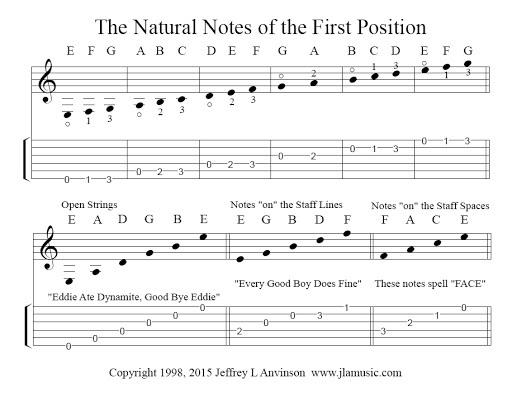
Music notes represent sounds, or pitches. In standard music notation, notes appear on a staff: a set of five horizontal lines and the spaces between them. A note’s position on the staff indicates its pitch. Notes placed higher on the staff generally sound higher, while notes placed lower generally sound lower.
The seven letter names used for musical pitches are A, B, C, D, E, F, and G. After G, the names repeat at a higher or lower pitch. On instruments with many notes, such as piano, the same letter name can refer to different pitches in different octaves.
How to Read a Music Staff
A clef appears at the beginning of a staff and tells you how to identify the notes on its lines and spaces. The two clefs most commonly used by beginners are:
- Treble clef: Often used for higher-pitched parts, including many melodies and the right-hand part of piano music.
- Bass clef: Often used for lower-pitched parts, including bass instruments and the left-hand part of piano music.
Some instruments use other clefs, and piano music often uses a grand staff, which combines treble and bass clefs. Short ledger lines extend the staff when notes fall above or below its five lines.
Note Values and Rhythm
Note symbols also show duration. The exact length of a note depends on the tempo and time signature, but common note values include:
- Whole note: Often held for four quarter-note beats in common time.
- Half note: Often held for two quarter-note beats.
- Quarter note: Often receives one beat in common time.
- Eighth note: Often receives half a quarter-note beat.
- Sixteenth note: Often receives one-fourth of a quarter-note beat.
Rests are symbols that indicate silence. Like notes, rests have different values, so they tell a musician how long to pause. Dots, ties, and beams can also change or clarify the way rhythms are played.
Time Signatures and Measures
A time signature appears near the beginning of a piece, after the clef and key signature. Its top number tells you how many beats are grouped in each measure. Its bottom number indicates which note value represents one beat. For example, in 4/4 time, a measure usually contains four quarter-note beats.
Bar lines divide the staff into measures, making rhythms easier to follow. Counting steadily while you play can help you keep track of beats, especially when a piece includes rests, longer notes, or changing rhythms.
Key Signatures and Accidentals
A key signature is a group of sharps or flats shown near the beginning of a staff. It indicates which notes are regularly raised or lowered throughout a piece. A sharp raises a note by a half step, while a flat lowers it by a half step. A natural sign cancels a sharp or flat.
Accidentals appear beside individual notes and alter their pitch. Their effect usually lasts through the rest of the measure for notes on the same staff position, unless another accidental changes it.
How to Start Reading Sheet Music
- Identify the clef. This tells you how to name the notes on the staff.
- Check the key and time signatures. These provide important information about pitch and rhythm.
- Read the notes slowly. Name each note or find it on your instrument before playing.
- Count the rhythm. Tap the beat or count aloud, including rests.
- Practice in short sections. Work through a few measures at a time, then gradually connect them.
- Increase the tempo gradually. Start at a comfortable speed and use a metronome if helpful.
Choosing Sheet Music
When looking for sheet music, choose an arrangement that matches your instrument and experience level. Beginner editions may use simpler rhythms, larger notation, or fewer technical challenges. Check whether the music includes the correct part, such as a melody line, piano accompaniment, or a full ensemble score.
Sheet music may be printed or digital. Digital scores can be convenient for searching and viewing on a screen, while printed copies offer a familiar format for many musicians. Make sure you use a legitimate edition and follow any applicable copyright rules when downloading, printing, or sharing music.
Keep Practicing
Reading music is a skill that improves with regular practice. Start with simple melodies, learn to recognize notes and rhythms, and take time to understand the symbols you encounter. As those basics become familiar, sheet music can open up a wider range of songs and help you communicate musical ideas more clearly.
Sheet Music Notes FAQs: Reading, Memorizing, Printing, and Finding Free Musicnotes Sheets
- How do you memorize sheet music notes?
- What are the 5 basic musical notes?
- What is each note on sheet music?
- Can you print sheet music from Musicnotes?
- What are the notes on sheet music?
- How can I get free Musicnotes sheets?
How do you memorize sheet music notes?
To memorize sheet music notes, learn a small section at a time instead of trying to memorize the whole piece at once. Identify the notes by name, notice recurring patterns such as scales, chords, and repeated phrases, and practice slowly without looking at the page for a few beats at a time. Then try playing from memory, checking the score when you get stuck. Repeating this process over several short practice sessions—and listening to the piece or singing its melody—can help strengthen recall.
What are the 5 basic musical notes?
There are seven basic note names in Western music notation: A, B, C, D, E, F, and G—not five. If you mean common note durations in sheet music, five basic values are whole, half, quarter, eighth, and sixteenth notes; each represents a different length of sound, depending on the tempo and time signature.
What is each note on sheet music?
Each note on sheet music represents a pitch, and its name depends on its position on the staff and the clef. The seven note names are A, B, C, D, E, F, and G, which repeat in higher and lower octaves. In treble clef, for example, the lines from bottom to top are E, G, B, D, and F; in bass clef, they are G, B, D, F, and A. Spaces have their own note names, while sharps, flats, and naturals can change a note’s pitch.
Can you print sheet music from Musicnotes?
Yes, most sheet music purchased from Musicnotes can be printed, subject to the license and printing options for that specific title. After purchasing, open the score in the Musicnotes app or account and look for the print option; some titles may have printing restrictions or limits. Check the product details or Musicnotes support if you’re unsure whether a particular score can be printed.
What are the notes on sheet music?
The notes on sheet music are symbols that show which pitches to play and how long to play them. They’re placed on the lines and spaces of a five-line staff, with their names determined by the clef—most commonly treble or bass. The seven note names are A, B, C, D, E, F, and G, and they repeat across different octaves. Note shapes and markings indicate duration, while sharps, flats, and naturals change a note’s pitch.
How can I get free Musicnotes sheets?
You can find free sheet music by checking Musicnotes for free arrangements, sample pages, or limited-time promotions; availability may vary. You can also borrow scores from a library or use reputable websites offering public-domain music. Be sure to download or print sheet music only when the site or license permits it, since copyrighted arrangements usually require purchase or permission.