
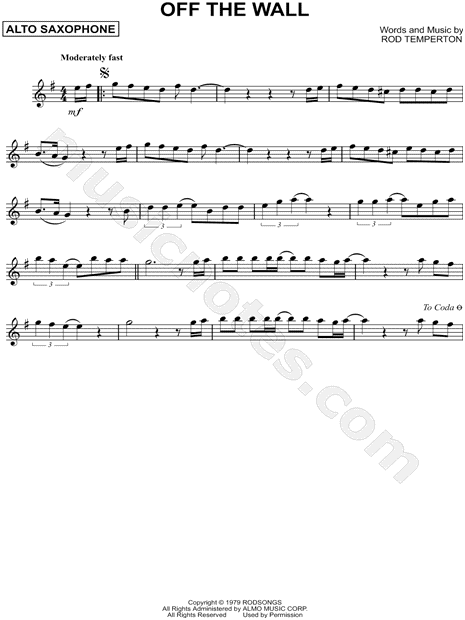
Alto Saxophone Sheet Music: A Guide for Players
Alto saxophone sheet music helps players turn musical ideas into sound, whether they are practicing scales, learning a favorite melody, or performing with an ensemble. Sheet music is available for every experience level and musical style, from beginner exercises and classical études to jazz standards and contemporary songs. Knowing how to choose and read the right music can make practice more focused and enjoyable.
What Makes Alto Saxophone Music Different?
The alto saxophone is an E-flat transposing instrument. This means that the note written on the page sounds a major sixth lower than written when played on an alto saxophone. For example, a written C sounds as an E-flat concert pitch. This distinction matters when playing with instruments such as piano, guitar, or flute, which generally read concert-pitch music.
Sheet music labeled for alto saxophone is usually written in the instrument’s transposed key, so players can read the notes as they are accustomed to fingering them. When playing from a general score or sharing music with other instruments, check whether the part is written for alto saxophone or in concert pitch.
Types of Alto Saxophone Sheet Music
- Beginner music: Simple melodies, note-reading exercises, and short pieces that introduce rhythm, articulation, and basic fingerings.
- Classical repertoire: Solos, études, and ensemble parts that develop tone, technique, phrasing, and musical expression.
- Jazz music: Lead sheets, written solos, and arrangements featuring swing rhythms, blues patterns, and opportunities for improvisation.
- Concert band and orchestra parts: Music written for ensembles, often with a specific alto saxophone part that fits the arrangement.
- Popular and film music: Arrangements of familiar songs and themes, often adapted to suit different skill levels.
How to Choose the Right Music
Start by matching the music to your current reading and playing ability. A piece that is too difficult can make practice frustrating, while music that is too easy may not provide enough challenge. Look at the key signature, tempo, range, rhythm, and accidentals before choosing a piece. If you are unsure, a teacher or experienced player can help you assess whether it is a good fit.
Also consider the purpose of the music. A solo arrangement may include a melody and accompaniment, while a lead sheet may show only the melody, chord symbols, and basic musical directions. Ensemble parts may rely on cues from other instruments, so they can be easier to learn when practiced alongside a recording or the full score.
Reading Alto Saxophone Sheet Music
Alto saxophone music is commonly written in treble clef. Players need to recognize pitches on the staff, understand note values and rests, and follow markings for dynamics and articulation. A few common directions include:
- Dynamics: Markings such as p (soft), mf (moderately loud), and f (loud) indicate volume.
- Articulation: Staccato dots, slurs, and accents show how notes should be connected or emphasized.
- Tempo: A tempo marking gives the approximate speed of the music.
- Repeats and endings: Repeat signs and numbered endings indicate sections that should be played again or in a particular order.
Before playing, scan the page for the key signature, time signature, tempo, and any unfamiliar symbols. Clapping or counting through a tricky rhythm can help you understand it before adding the instrument.
Tips for Practicing with Sheet Music
- Work slowly at first. Choose a tempo that lets you play the notes and rhythms accurately.
- Break the music into sections. Practice a few measures at a time, then connect them as they become comfortable.
- Use a metronome. Steady pulse supports accurate timing and helps you gradually increase speed.
- Pay attention to tone and breathing. Mark natural places to breathe, and aim for an even sound across the instrument’s range.
- Practice difficult passages separately. Isolate challenging rhythms, intervals, or finger changes instead of repeatedly restarting the whole piece.
- Listen as you play. Record a practice session or play along with an accompaniment to notice timing, intonation, and phrasing.
Finding and Using Sheet Music
Alto saxophone sheet music can be found through music stores, publishers, libraries, teachers, and reputable digital sheet music services. Before downloading or purchasing an arrangement, confirm that it is for alto saxophone and check its difficulty level, key, and format. Some digital editions include playback, adjustable tempo, or transposition tools that can support practice.
It is also important to respect copyright. Use authorized editions, and check the terms of use before copying, sharing, or performing digital music. Public-domain works may be freely available, but a modern arrangement of an older composition can still be protected by copyright.
Make Sheet Music Part of Your Musical Growth
Regularly reading new music builds sight-reading skills, expands your repertoire, and strengthens your understanding of rhythm and musical style. Whether you are learning your first simple melody or preparing a challenging solo, choose music that keeps you curious and gives you room to improve. With patient practice, alto saxophone sheet music can become a practical guide to playing with greater confidence and expression.
5 Tips for Reading Alto Saxophone Sheet Music
- Check the key signature before you play.
- Mark breaths at natural phrase breaks.
- Practice tricky rhythms slowly with a metronome.
- Watch for alto saxophone transposition in concert-pitch scores.
- Circle accidentals that carry through the measure.
Check the key signature before you play.
Check the key signature before you play so you know which notes are sharp or flat throughout the piece. This can help you avoid wrong notes, prepare for unfamiliar fingerings, and understand the music’s tonality. Take a moment to identify the key, then watch for accidentals that temporarily change a note.
Mark breaths at natural phrase breaks.
Mark breaths at natural phrase breaks so you can play comfortably without interrupting the music’s flow. Look for pauses, rests, long notes, or the ends of melodic ideas as places to breathe. Planning breaths ahead of time helps you maintain steady tone and phrasing, and prevents you from running out of air in the middle of an important musical line.
Practice tricky rhythms slowly with a metronome.
When a rhythm feels tricky, slow it down and practice it with a metronome before trying it at full speed. A steady, slower pulse gives you time to count each beat, place notes accurately, and notice where the rhythm needs work. Once you can play the passage evenly several times, gradually increase the tempo until you reach the speed marked in the alto saxophone sheet music.
Watch for alto saxophone transposition in concert-pitch scores.
When reading a concert-pitch score, remember that the alto saxophone is an E-flat transposing instrument: a written note sounds a major sixth lower than it appears on the page. If you’re playing from a part written specifically for alto saxophone, the notes are usually already transposed. But if you’re using a concert-pitch melody or score, you’ll need to transpose it for alto saxophone—or use a properly transposed part—to play in tune with the other instruments.
Circle accidentals that carry through the measure.
Circle accidentals as you read through a measure to remember that they usually apply to the same note for the rest of that measure, including notes in other octaves. This can help prevent you from reverting to the key signature too soon. The accidental resets at the bar line, unless another accidental changes the note earlier.