
Simple Sheet Music: A Beginner’s Guide
Sheet music is a written way to show how music should sound. It uses notes, symbols, and other markings to tell musicians what to play, how long to play it, and sometimes how loudly or expressively to perform it. Simple sheet music makes these ideas easier to learn by using familiar rhythms, a small range of notes, and clear musical patterns.
What You’ll See on a Music Staff
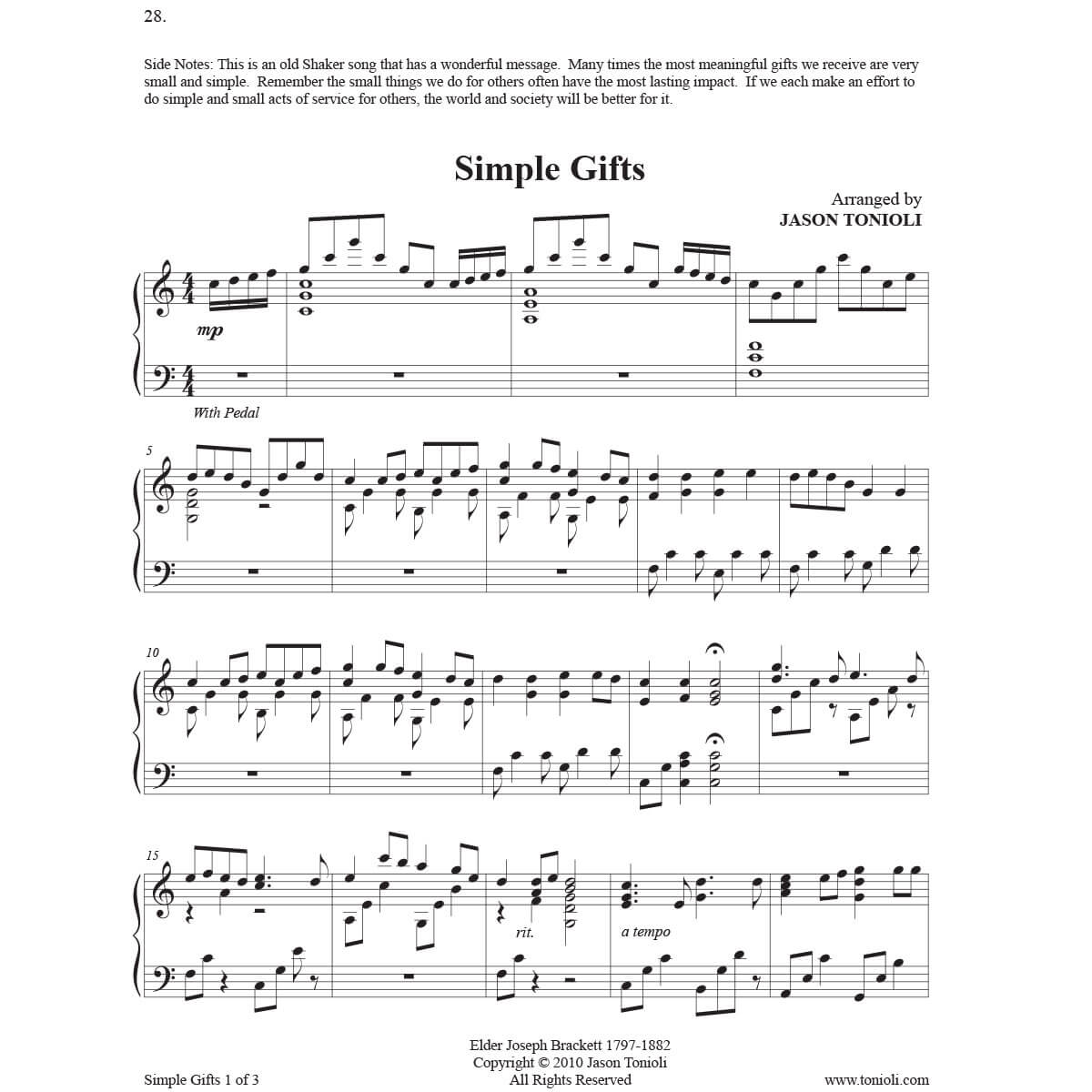
Most sheet music is written on a staff: five horizontal lines and the spaces between them. Notes are placed on the lines or spaces to show their pitches. A clef at the beginning of the staff identifies which pitches the lines and spaces represent. For example, treble clef is commonly used for higher-pitched instruments, while bass clef is often used for lower-pitched instruments.
At the start of a piece, you may also see a time signature. This tells you how the music is grouped into beats. A time signature of 4/4, for instance, usually means there are four beats in each measure. Bar lines divide the staff into measures, making the music easier to follow.
Understanding Notes and Rests
Notes show when to play and how long to hold a sound. Their shapes and stems indicate their rhythmic values. In common time, a whole note typically lasts four beats, a half note lasts two, and a quarter note lasts one. Eighth notes are commonly played for half a beat each.
Rests represent silence. Like notes, rests have different symbols for different durations. Paying attention to rests is just as important as playing the notes: they help create the rhythm and give a melody room to breathe.
Why Simple Sheet Music Helps Beginners
Beginner-friendly music often uses a limited number of notes, steady rhythms, and repeated phrases. These features let new musicians focus on the basics without feeling overwhelmed. Simple songs are also useful for practicing skills such as keeping a steady beat, reading notes, and coordinating both hands on a keyboard.
Simple does not mean uninteresting. A memorable melody can be built from just a few notes, and a clear rhythm can make a short piece feel lively and complete.
How to Practice with Sheet Music
- Look over the page first. Find the clef, time signature, key signature, and any tempo or expression markings.
- Clap the rhythm. Count the beats and clap the notes and rests before playing.
- Learn a short section. Practice one measure or phrase at a time, then connect it to the next section.
- Start slowly. A comfortable tempo helps you play accurately. Speed can come later.
- Repeat thoughtfully. Notice which parts feel difficult and give them extra practice.
- Listen as you play. Aim for an even beat, clear notes, and a sound that feels musical rather than mechanical.
Finding the Right Beginner Music
Choose sheet music written for your instrument and current skill level. A beginner arrangement should have readable notation, a manageable tempo, and rhythms you can count. If you are learning to sing, look for a melody in a comfortable vocal range. For an instrument, check whether the music includes helpful fingerings or other beginner instructions.
With regular practice, simple sheet music can become a practical first step toward reading and performing more complex pieces. Start with music you enjoy, take it one phrase at a time, and let each small success build confidence.
5 Easy Tips for Reading Simple Sheet Music
- Start with a song that uses a few notes.
- Learn the staff and note names.
- Clap the rhythm before playing.
- Practice one short line at a time.
- Use a slow, steady tempo.
Start with a song that uses a few notes.
Start with a song that uses only a few notes. A small note range makes it easier to find each pitch, follow the melody, and focus on rhythm without feeling overwhelmed. Once you can play the song comfortably, try adding more challenging pieces to build your skills step by step.
Learn the staff and note names.
Learn the staff and note names so you can recognize pitches more quickly as you read simple sheet music. Start by identifying the clef, then practice naming the notes on each line and space. For example, in treble clef, the lines from bottom to top are E, G, B, D, and F, while the spaces are F, A, C, and E. A little practice each day can make reading music feel easier and more natural.
Clap the rhythm before playing.
Clap the rhythm before playing to get a feel for the beat and timing without worrying about the notes. Count aloud as you clap, and pay attention to rests as well as sounds. Once the rhythm feels steady, playing the piece will be easier and more confident.
Practice one short line at a time.
Practice one short line at a time instead of trying to learn the whole piece at once. Focus on the notes and rhythm in that line, and repeat it slowly until it feels comfortable. Then move on to the next line and connect the sections. Breaking simple sheet music into smaller parts makes practice feel manageable and helps you play with greater confidence.
Use a slow, steady tempo.
Use a slow, steady tempo when learning simple sheet music. Playing at a comfortable pace gives you time to read each note, count the rhythm, and coordinate your movements without rushing. Focus on keeping the beat even, and gradually increase the speed only when you can play the passage accurately and confidently.