
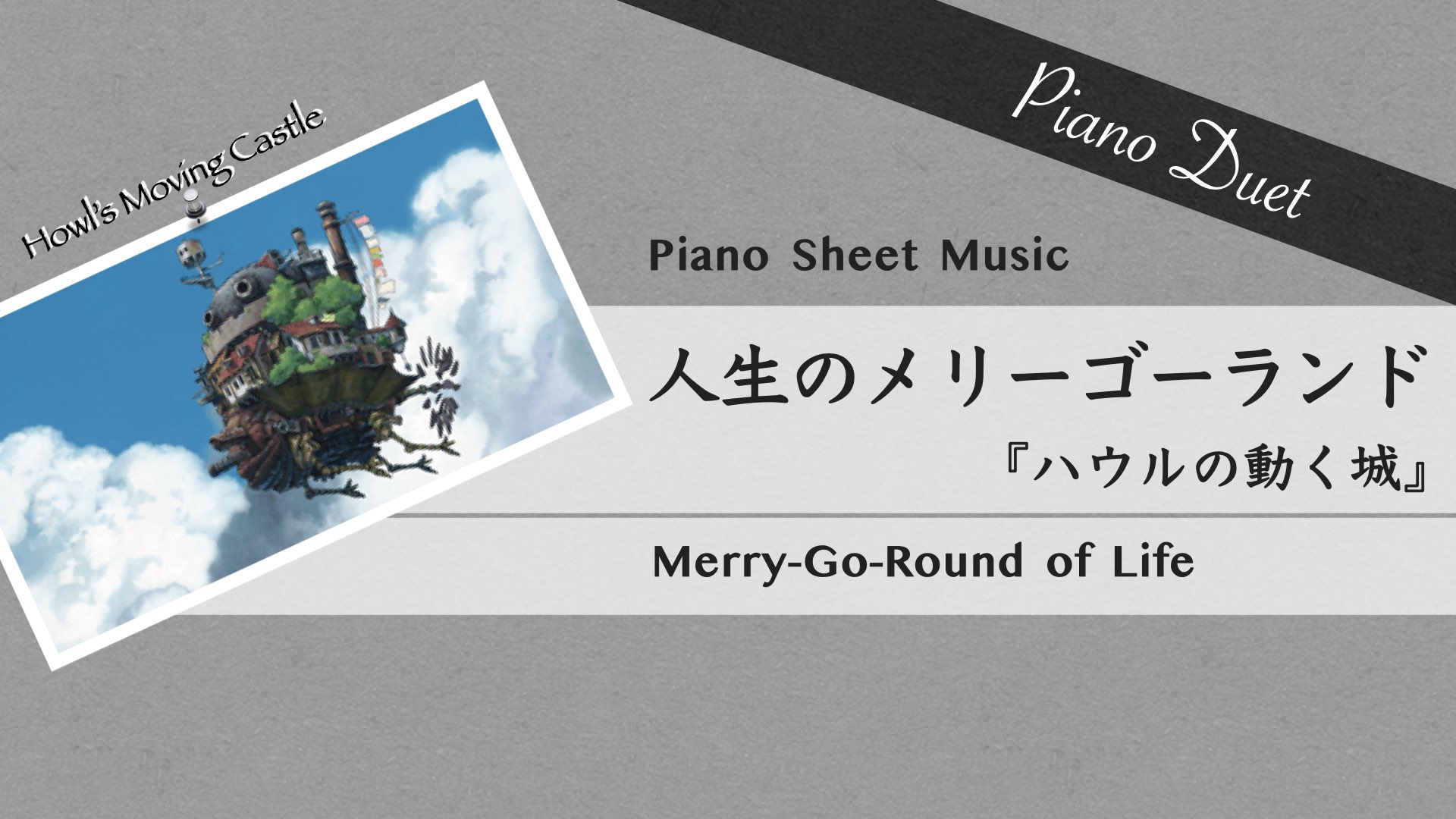
Merry-Go-Round of Life Piano Sheet Music: A Guide for Pianists
“Merry-Go-Round of Life” is one of the best-known themes from Howl’s Moving Castle, the 2004 animated film directed by Hayao Miyazaki. Composed by Joe Hisaishi, the piece is loved for its graceful waltz rhythm, memorable melody, and blend of warmth and wistfulness. Piano sheet music makes it possible to bring the theme’s distinctive sound to life at home, whether you are just beginning or have years of playing experience.
What Makes the Piece Special?
The theme is built around a lilting three-beat feel, giving it the gentle motion of a waltz. Its flowing melody and expressive harmonies create a cinematic quality that can sound both intimate and grand. Although the tune is recognizable, capturing its character takes more than playing the correct notes: phrasing, dynamics, and a steady sense of pulse all matter.
Choosing the Right Piano Arrangement
Arrangements of “Merry-Go-Round of Life” vary in difficulty and style. A simplified version may use fewer notes and a more accessible accompaniment, while an intermediate or advanced arrangement may include fuller chords, wider hand movements, and more of the original’s musical detail.
- Beginner arrangements often focus on the main melody and straightforward left-hand patterns.
- Intermediate arrangements may add richer harmonies, more movement between the hands, and greater dynamic contrast.
- Advanced arrangements can feature denser textures, larger stretches, and more demanding expressive details.
Before choosing an edition, check its stated difficulty level, key, length, and whether it is written for solo piano or another format. A recording or preview, when available, can help you decide whether the arrangement matches your skill level and the sound you want.
Where to Find Sheet Music
Look for authorized sheet music through reputable music publishers, licensed digital sheet-music services, or official publications. The piece is copyrighted, so a properly licensed edition helps support the composer and rights holders. Be cautious with files from unknown sources: they may be unauthorized, incomplete, or incorrectly transcribed.
Practice Tips
Start by learning the melody and rhythm at a comfortable tempo. If the arrangement is challenging, work on each hand separately before putting them together. Pay particular attention to the waltz pulse, keeping the first beat of each measure clear without making the music feel stiff.
Once the notes feel secure, shape the melody with gentle dynamic changes and phrase endings. Use the pedal sparingly at first, listening for blurred harmonies as you change chords. Finally, increase the tempo gradually while preserving the relaxed, flowing character of the piece.
A Rewarding Piece to Learn
Whether you choose a simple arrangement or a more elaborate transcription, “Merry-Go-Round of Life” offers a satisfying way to explore film music at the piano. With a suitable edition and patient practice, pianists can develop their technique while enjoying one of Joe Hisaishi’s most beloved melodies.
7 Tips for Mastering “Merry-Go-Round of Life” Piano Sheet Music
- Check the key signature before you start.
- Practice each hand separately at first.
- Mark tricky rhythms on the sheet.
- Start slowly and use a metronome.
- Watch for tempo changes and pauses.
- Break the piece into short sections.
- Add pedal after the notes feel secure.
Check the key signature before you start.
Before you begin playing “Merry-Go-Round of Life,” check the key signature so you know which notes are consistently sharp or flat throughout the piece. This can help you avoid mistakes, choose comfortable fingerings, and understand the music’s tonal character. Take a moment to identify the key and scan for any accidentals that change notes temporarily.
Practice each hand separately at first.
When learning “Merry-Go-Round of Life,” practice each hand separately at first. Work on the right-hand melody until it feels smooth, then focus on the left-hand accompaniment and its steady waltz rhythm. Once both parts feel comfortable on their own, bring them together slowly, paying attention to timing and keeping the music relaxed and flowing.
Mark tricky rhythms on the sheet.
Marking tricky rhythms directly on your “Merry-Go-Round of Life” piano sheet can make practice more focused and less frustrating. Circle difficult measures, write in counts or subdivisions, and note where the hands need to play together or separately. Practice those spots slowly with a steady beat, then gradually increase the tempo while keeping the waltz’s flowing feel.
Start slowly and use a metronome.
Start slowly and use a metronome to build a steady, graceful rhythm as you learn “Merry-Go-Round of Life.” Begin at a tempo that lets you play each note accurately and comfortably, especially through tricky passages and hand changes. As the piece becomes more familiar, increase the metronome setting little by little, making sure the waltz-like flow stays smooth and expressive rather than rushed.
Watch for tempo changes and pauses.
Watch for tempo changes and pauses in the sheet music, as they give “Merry-Go-Round of Life” its expressive, cinematic feel. Follow any tempo markings carefully, and don’t rush through rests or fermatas; these moments of stillness help shape the phrases and make the melody feel natural. Practice the transitions slowly, then gradually build up to the intended pace while keeping the waltz rhythm flowing.
Break the piece into short sections.
Break “Merry-Go-Round of Life” into short sections, such as a few measures at a time, instead of trying to learn the whole piece at once. Practice each section slowly until the notes, rhythm, and hand movements feel comfortable, then move on to the next. Once you can play the sections confidently, connect them gradually and focus on keeping the melody flowing smoothly from one passage to the next.
Add pedal after the notes feel secure.
Add the pedal after the notes feel secure. First, practice the piece without it so you can hear each note clearly and make sure your hands change chords smoothly. Then add the pedal gradually, lifting and pressing it as the harmony changes. This helps create a warm, flowing sound without blurring the melody or muddying the chords.