
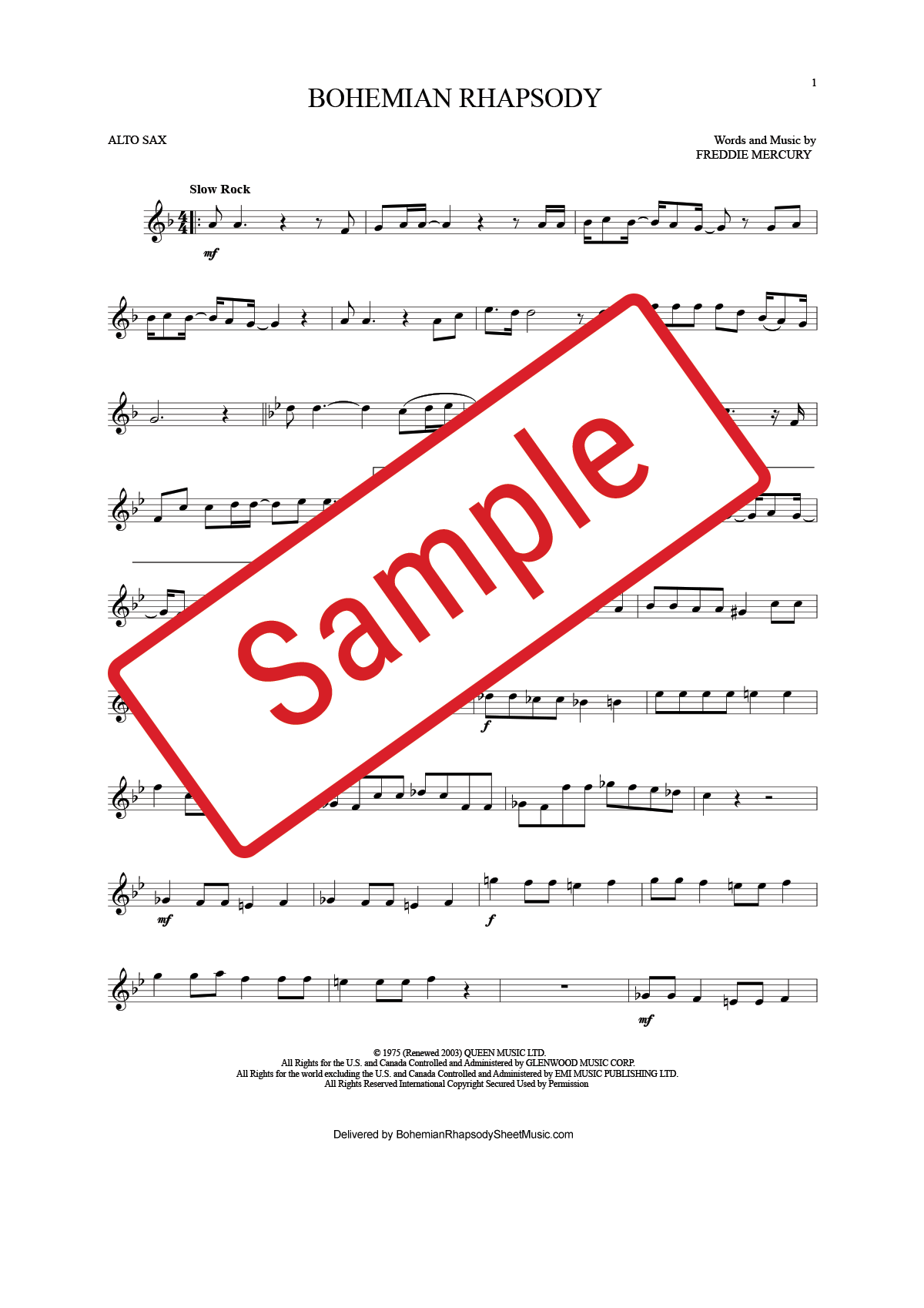
Alto Sax Sheet Music: A Guide for Players
Alto sax sheet music helps musicians learn new songs, build technique, and perform with other players. Whether you are just starting out or have years of experience, the right music can make practice more enjoyable and help you reach your musical goals.
What Makes Alto Sax Music Different?
The alto saxophone is an E-flat instrument. This means it is a transposing instrument: written notes sound lower than they appear on the page. Alto sax sheet music is typically written for the instrument, so players can read the printed notes without having to transpose them themselves. When playing with instruments in other keys, such as piano or guitar, the parts may need to be arranged or transposed to match.
Choosing Sheet Music for Your Level
Beginner players benefit from music with a limited range, simple rhythms, clear notation, and few accidentals. Familiar melodies can make it easier to focus on fundamentals such as embouchure, breath support, articulation, and finger placement.
As your skills develop, try music with more challenging rhythms, longer phrases, and a wider range of notes. Advanced players may enjoy arrangements that include expressive markings, ornamentation, improvisation, or technically demanding passages. Check the stated difficulty level when available, and choose music that offers a challenge without making practice discouraging.
Popular Types of Alto Sax Sheet Music
- Method books and exercises: Structured lessons for learning notes, rhythm, tone, and technique.
- Solo music: Pieces written for alto saxophone, sometimes with piano accompaniment or a recorded backing track.
- Band and ensemble parts: Music for concert band, jazz band, saxophone quartet, or other groups.
- Popular songs and show tunes: Arrangements of familiar music for practice or performance.
- Jazz lead sheets: Melodies and chord symbols that support improvisation and flexible interpretation.
How to Read the Page
Before playing a new piece, look over its key signature, time signature, tempo, and range. Notice dynamics such as piano (soft) and forte (loud), as well as articulation marks that indicate how notes should be tongued or connected. If the music includes a piano part or chord symbols, confirm that the arrangement is in the correct key for alto saxophone.
It can also help to mark breaths, count difficult rhythms aloud, and identify repeated sections before playing. A quick review of the page can prevent avoidable stops once you begin.
Finding and Using Sheet Music
Alto sax sheet music is available in printed collections, music stores, libraries, and digital catalogs. Some publishers and composers also offer downloadable arrangements. Before using or sharing a digital copy, check its license and copyright information. Public-domain works and properly licensed editions are useful options, but a song being available online does not necessarily mean it is free to copy or distribute.
For digital music, make sure the notation is easy to read on your device or printed page. A music stand, page-turning setup, and pencil can make practice more comfortable. Keep a copy of the accompaniment or backing track nearby if the piece is designed to be played with one.
Tips for Practicing a New Piece
- Scan the music and identify the key, tempo, and difficult sections.
- Clap or count challenging rhythms before playing them.
- Practice slowly with a metronome, then increase the tempo gradually.
- Work on short sections before connecting the entire piece.
- Pay attention to sound and phrasing, not just correct notes.
- Use a tuner or play along with a reference pitch to check intonation.
Make Music That Fits Your Goals
The best alto sax sheet music is music you want to return to. A well-chosen piece can strengthen reading skills, develop technique, and keep practice engaging. Explore different styles, ask a teacher or band director for recommendations, and keep a collection that grows with your abilities.
9 Tips for Reading and Practicing Alto Sax Sheet Music
- Check the key signature before you play.
- Mark breaths at natural phrase breaks.
- Circle accidentals that may be easy to miss.
- Count rests carefully, especially after long notes.
- Use a metronome to practice tricky rhythms.
- Write in fingerings for unfamiliar notes.
- Transpose concert-pitch parts for alto sax.
- Watch dynamics and articulation markings.
- Practice difficult measures slowly, then build speed.
Check the key signature before you play.
Before you play a piece of alto sax sheet music, check the key signature at the beginning of each staff. It shows which notes are sharp or flat throughout the piece, unless a note is changed by an accidental. Knowing the key in advance helps you choose the right fingerings, avoid wrong notes, and play more confidently. If the key is unfamiliar, take a moment to review its scale before you begin.
Mark breaths at natural phrase breaks.
Marking breaths at natural phrase breaks can help you play alto sax sheet music with better control and musical expression. Look for pauses, rests, or the ends of melodic ideas, and pencil in a breath mark where you can comfortably inhale without interrupting the flow. Planning ahead helps you avoid running out of air mid-phrase and makes it easier to shape each line smoothly.
Circle accidentals that may be easy to miss.
Circle accidentals that may be easy to miss, such as sharps, flats, and naturals tucked into a busy passage. Marking them before you play helps you notice when a note differs from the key signature and reduces wrong notes, especially in unfamiliar music. Take a moment to check that the accidental applies to the correct note and measure, then practice the passage slowly until the altered note feels natural.
Count rests carefully, especially after long notes.
Count rests carefully, especially after long notes, so you reenter at the right time and stay together with the ensemble. It’s easy to lose track while holding a note or listening to other players, so keep the beat moving internally and watch the conductor when appropriate. If a rest feels tricky, practice the passage slowly, count aloud, and mark the beats or measures in your sheet music.
Use a metronome to practice tricky rhythms.
Use a metronome to practice tricky rhythms and keep a steady beat as you learn a new piece. Start at a slow tempo, focusing on placing each note accurately, then gradually increase the speed as the rhythm feels more comfortable. This helps build timing and confidence before you play at the full tempo.
Write in fingerings for unfamiliar notes.
When you encounter unfamiliar notes in alto sax sheet music, pencil in the fingerings above or below the staff. This quick reference can help you keep your place and play new passages with more confidence, especially while you’re still learning the notes. Once the fingerings become familiar, erase the reminders so you can practice reading the music on your own.
Transpose concert-pitch parts for alto sax.
Alto saxophone is an E-flat instrument, so concert-pitch parts—such as piano, guitar, or flute music—must be transposed before you play them. To convert a concert-pitch part for alto sax, write the notes a major sixth higher, or a minor third lower, than they sound. Check the key signature and accidentals as you go, and use a transposition chart or notation software to verify your work. This keeps your part in the correct key and helps you play in tune with the rest of the ensemble.
Watch dynamics and articulation markings.
Pay close attention to dynamics and articulation markings in your alto sax sheet music—they shape the character of a piece, not just its volume and rhythm. Dynamics tell you when to play softly or loudly, while articulation marks show whether notes should be tongued, accented, shortened, or smoothly connected. Practicing these details slowly can help you create more expressive, polished performances.
Practice difficult measures slowly, then build speed.
When a measure feels challenging, slow it down until you can play every note accurately and comfortably. Pay attention to fingering, rhythm, articulation, and tone rather than rushing through mistakes. Once the passage feels consistent, increase the tempo a little at a time, using a metronome if helpful. Gradually building speed develops control and confidence, making it easier to play the measure smoothly at the intended tempo.