
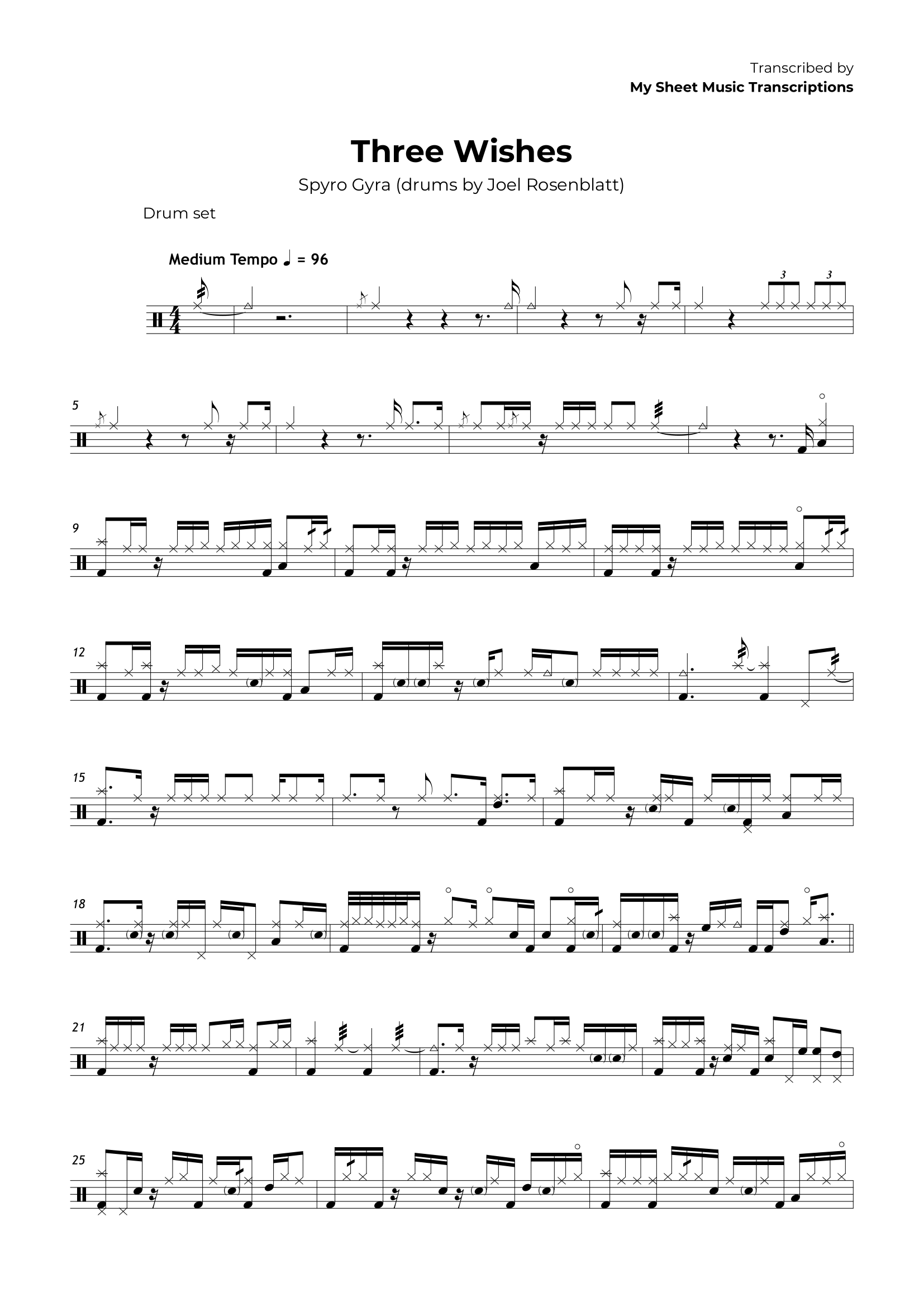
Drum Set Sheet Music: A Guide for Beginners
Drum set sheet music gives drummers a written way to learn, practice, and perform rhythms. Unlike music written for instruments that play notes at specific pitches, drum notation mainly shows which drum or cymbal to play and when to play it. Once you understand the basic symbols and rhythm values, you can use drum charts to study grooves, fills, and complete songs.
What Drum Set Notation Shows
A drum part is usually written on a five-line staff. Each line or space represents a different part of the drum set, such as the bass drum, snare drum, toms, hi-hat, or cymbals. The exact placement of these instruments can vary between publishers, arrangers, and notation programs, so check the chart’s legend or key when one is provided.
Drum notes may also look different from notes written for pitched instruments. For example, cymbals are often shown with an “X” notehead, while drums use round noteheads. These conventions are common, but they are not universal.
Understanding the Rhythm
Drum sheet music uses the same basic rhythmic values found in other kinds of notation. Whole notes, half notes, quarter notes, eighth notes, and sixteenth notes indicate how long to wait between strokes. Rests show when to remain silent. Dots, ties, and beams provide additional information about note duration and grouping.
The time signature appears near the beginning of a piece. It tells you how many beats are in each measure and which note value gets the beat. In 4/4 time, for example, each measure typically contains four quarter-note beats. A tempo marking indicates how quickly those beats move, often in beats per minute (BPM).
Reading a Basic Groove
A common beginner exercise is a steady rock groove in 4/4. The hi-hat may play eighth notes throughout the measure, while the bass drum and snare drum create a repeating pattern underneath. A typical version places the snare on beats two and four, with bass drum hits on selected beats. The precise pattern depends on the song and style.
To read a groove accurately, look at the notes that line up vertically. Notes aligned at the same point in the measure are played together. For instance, a hi-hat stroke and bass drum hit may occur on the same beat. Counting aloud—“one and two and three and four and”—can help you place eighth notes evenly.
Grooves, Fills, and Other Markings
Grooves provide the repeating rhythmic foundation of a song. Fills are brief variations, often played between vocal or instrumental phrases, that lead into a new section or add emphasis. A chart may write out each fill in detail, use shorthand, or include cues such as “fill” or “ad lib.”
Drum charts may also include dynamics, accents, sticking suggestions, repeats, and rehearsal letters. Dynamic markings describe volume, while accents show which strokes should stand out. Repeats and road-map symbols help musicians navigate a song without writing every measure out again.
How to Practice with Drum Sheet Music
- Check the legend. Confirm how the chart assigns notes to drums and cymbals.
- Study the meter and tempo. Identify the time signature and begin at a comfortable speed.
- Count before playing. Speak or tap the rhythm to understand where each note falls.
- Work in small sections. Practice one measure or phrase at a time, then connect the sections.
- Use a metronome. Start slowly and increase the tempo only when the pattern feels steady.
- Listen while reading. If the chart is for a recording, follow along to connect the written rhythm with the music.
It can help to practice each limb separately before combining them. Learn the hi-hat pattern first, add the snare, and then bring in the bass drum. Keep the motion relaxed and aim for consistent timing rather than speed.
Choosing Drum Set Sheet Music
Look for music that matches your experience level and musical interests. Beginner books often introduce basic rhythms gradually, while more advanced charts may include complex syncopation, odd meters, detailed fills, or stylistic variations. Make sure the notation is legible and that any unusual symbols are explained.
When learning a specific song, remember that published drum parts may be simplified or arranged differently from a recording. Treat the chart as a guide, and listen closely to understand the feel, dynamics, and phrasing. Use sheet music from legitimate sources and follow the applicable licensing terms, especially when sharing or performing arrangements.
Build Confidence One Measure at a Time
Drum set sheet music can make unfamiliar rhythms easier to understand and help you prepare for lessons, rehearsals, and performances. Start with the staff, learn the basic rhythm values, and practice slowly with a steady pulse. With regular reading practice, drum notation becomes a practical tool for learning new music and developing stronger timing.
Drum Set Sheet Music FAQs: Reading Notation, Finding Scores, and the 80/20 Rule
- Is there a music sheet for drums?
- Do professional drummers use sheet music?
- Is there musical notation for drums?
- What sheet music do drummers use?
- How hard is it to read drum sheet music?
- What is the 80/20 rule in drumming?
- Is it hard to read drum sheet music?
- Where can I get drum sheet music?
Is there a music sheet for drums?
Yes, drum set music sheets are available and are usually called drum notation or drum charts. They use a staff to show when to play each part of the kit, such as the bass drum, snare, toms, hi-hat, and cymbals. Because notation can vary, check the chart’s key or legend to see which symbols correspond to each drum or cymbal.
Do professional drummers use sheet music?
Yes, many professional drummers use sheet music, charts, or shorthand notes, especially for rehearsals, studio sessions, theater productions, and performances with complex arrangements. The amount of notation varies: some charts spell out rhythms and fills, while others provide only cues, song structure, and key hits. Experienced drummers may also learn parts by ear or memorize them, depending on the music and the situation.
Is there musical notation for drums?
Yes, drums have musical notation. Drum set sheet music uses a staff to show when to play each part of the kit, such as the snare, bass drum, toms, hi-hat, and cymbals. Because drums generally produce sounds without a specific pitch, the notes indicate instruments and rhythms rather than melodic pitches. Note placement and symbols can vary, so check the chart’s legend when available.
What sheet music do drummers use?
Drummers use percussion sheet music, often called drum notation or a drum chart. It shows rhythms and indicates which parts of the kit to play—such as the snare, bass drum, toms, hi-hat, and cymbals—using note positions and symbols on a staff. A chart may write out every measure or use shorthand, depending on the music and the drummer’s experience. Because notation can vary, check the chart’s legend for how each drum and cymbal is represented.
How hard is it to read drum sheet music?
Reading drum sheet music can feel challenging at first, but beginners can learn the basics with practice. Drum notation shows which drums or cymbals to play and when to play them, using familiar rhythm symbols such as quarter notes, eighth notes, and rests. Start with simple grooves, count the beat aloud, and practice slowly with a metronome. The exact placement of instruments can vary, so check the chart’s key or legend. Over time, reading patterns becomes more natural.
What is the 80/20 rule in drumming?
The 80/20 rule in drumming applies the Pareto principle: a small number of core skills can make a big difference in your playing. For many drummers, focusing on fundamentals—steady time, basic grooves, coordination, dynamics, and a few useful fills—supports a wide range of songs and styles. Rather than trying to master everything at once, identify the skills that matter most for your goals and practice them consistently. The exact ratio isn’t literal; it’s a reminder to prioritize the essentials.
Is it hard to read drum sheet music?
Reading drum sheet music can feel challenging at first, but the basics are manageable with practice. Drum notation shows when to play and usually uses different staff positions or notehead shapes to identify instruments such as the snare, bass drum, hi-hat, and cymbals. Start by learning the chart’s legend, counting simple rhythms aloud, and practicing one measure at a time at a slow tempo. As you become familiar with the symbols, reading drum parts will feel more natural.
Where can I get drum sheet music?
You can find drum sheet music in beginner method books, songbooks, music stores, and reputable online sheet-music libraries. Many drumming websites also offer downloadable charts and exercises, while some publishers provide official drum transcriptions for specific songs. Check that the arrangement matches your skill level and that you have permission to download, print, or share it.