
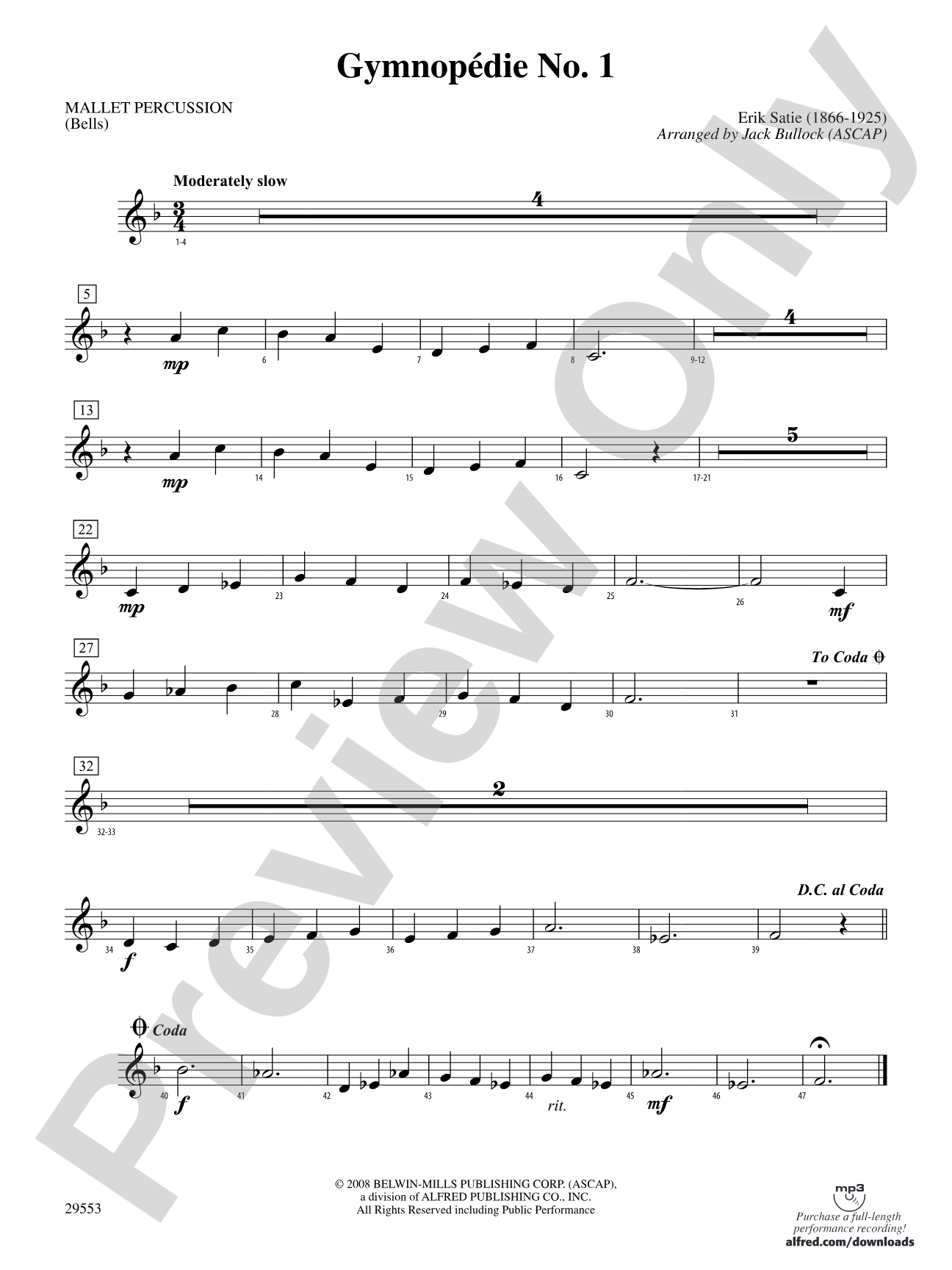
Gymnopédie Sheet Music: A Guide to Erik Satie’s Piano Pieces
Erik Satie’s Gymnopédies are among the most recognizable works in the piano repertoire. Their quiet melodies, spacious harmonies, and unhurried pace give them a distinctive, reflective sound. Whether you’re a beginner exploring classical piano or an experienced player looking for a subtler piece, Gymnopédie sheet music offers a rewarding way to study Satie’s style.
What Are the Gymnopédies?
Satie composed three Gymnopédies in 1888. Each is written for solo piano and has its own character, while sharing a simple, restrained approach. The first Gymnopédie is especially well known, with a gently rising melody set over a steady pattern of chords. The second feels more subdued, and the third has a slightly warmer, more flowing quality.
The music may look straightforward on the page, but its impact depends on careful timing, balance, and tone. Satie’s sparse writing leaves plenty of room for each note to resonate.
Choosing Sheet Music
Gymnopédie sheet music is available in several formats, including individual pieces, collections of all three works, and arrangements for instruments beyond piano. When choosing an edition, consider your experience level and intended use:
- Beginner editions may include simplified rhythms, fingerings, or note names.
- Standard piano editions preserve Satie’s original writing and are a good choice for players comfortable reading both hands.
- Annotated editions may include performance notes, historical context, or fingering suggestions.
- Arrangements adapt the pieces for instruments such as guitar, violin, or ensemble performance.
Before downloading or purchasing a score, check that it matches the version you want to play. Some editions include all three Gymnopédies, while others contain only the first. Arrangements can also differ from the original piano score.
Is Gymnopédie Sheet Music Free?
The original compositions are old enough to be in the public domain in the United States, so public-domain scores may be available at no cost. However, a modern edition, transcription, or arrangement can have its own copyright protection. Check the rights information provided by the publisher or score library, especially if you plan to distribute, record, or perform an arrangement publicly.
Tips for Playing the Gymnopédies
These pieces are often played slowly, but a slow tempo alone does not create the right atmosphere. Aim for a steady pulse and let the melody sing naturally above the accompaniment. A few practice strategies can help:
- Learn each hand separately. Get comfortable with the melody and chord pattern before combining them.
- Keep the accompaniment quiet. The melody should remain clear without overpowering the harmony.
- Use the pedal thoughtfully. Gentle pedal can create warmth, but too much may blur the changing chords.
- Count carefully. The relaxed sound can make it tempting to lose the underlying rhythm.
- Listen for balance. Record a short passage and check whether the melody and accompaniment are distinct.
A Lasting Favorite for Piano Players
From its memorable opening melody to its quiet, spacious mood, the first Gymnopédie remains a popular choice for pianists and listeners alike. Exploring the complete set reveals more of Satie’s understated musical language. With a clear score and patient practice, these pieces can be both approachable to learn and satisfying to perform.
9 Benefits of Gymnopédie Sheet Music for Pianists
- Offers a gentle introduction to classical piano.
- Features memorable, expressive melodies.
- Encourages careful timing and control.
- Helps develop melody-and-accompaniment balance.
- Provides practice with pedal technique.
- Available in editions for different skill levels.
- Often found in collections of all three pieces.
- Can be adapted for other instruments.
- Creates a calm, reflective performance mood.
Gymnopédie Sheet Music: Challenges With Timing, Precision, Pedaling, and Readability
- Slow tempos can make steady timing challenging.
- Sparse melodies leave little room to hide uneven playing.
- Pedal use can easily blur the harmonies.
- Some editions have hard-to-read notation or limited fingering guidance.
Offers a gentle introduction to classical piano.
Gymnopédie sheet music offers a gentle introduction to classical piano because its unhurried tempo and clear, uncluttered textures give new players room to focus on reading notes, coordinating both hands, and shaping a simple melody. The pieces sound expressive without requiring showy technique, making them a satisfying way to build confidence while exploring a timeless classical style.
Features memorable, expressive melodies.
Gymnopédie sheet music features memorable, expressive melodies that are simple enough to linger in the mind yet rich with feeling. Their gentle, flowing phrases give pianists room to shape each note with care, creating performances that can sound peaceful, wistful, or deeply reflective.
Encourages careful timing and control.
Gymnopédie sheet music encourages careful timing and control, since its slow pace leaves little room to hide uneven rhythms or rushed notes. Practicing the steady accompaniment alongside the flowing melody helps pianists develop a consistent pulse, balanced touch, and greater control over phrasing and dynamics.
Helps develop melody-and-accompaniment balance.
Gymnopédie sheet music helps pianists develop balance between melody and accompaniment. The right hand often carries a gentle, expressive tune while the left hand provides soft, repeating chords. Practicing the piece teaches players to bring out the melody without letting the accompaniment overpower it, building control, touch, and musical sensitivity.
Provides practice with pedal technique.
Gymnopédie sheet music provides a gentle way to practice piano pedal technique. The pieces’ sustained harmonies invite you to experiment with the sustain pedal, learning to connect notes smoothly while keeping the sound clear. By listening closely and changing the pedal as the chords shift, you can develop better control and avoid letting the music become muddy.
Available in editions for different skill levels.
Gymnopédie sheet music is available in editions for different skill levels, making Satie’s music accessible to a wide range of pianists. Beginners can choose simplified versions with easier rhythms or helpful fingerings, while more advanced players can work from editions that preserve the original score. This variety lets musicians find a version that fits their current abilities and build confidence as they learn.
Often found in collections of all three pieces.
Gymnopédie sheet music is often available in collections featuring all three of Erik Satie’s pieces, making it easy to explore the complete set rather than learning only the famous first one. Having all three scores together also lets you compare their moods, musical details, and playing styles in one convenient edition.
Can be adapted for other instruments.
Gymnopédie sheet music can be adapted for instruments beyond piano, making Satie’s music accessible to a wider range of musicians. Its memorable melody and gentle harmonies can work beautifully on instruments such as guitar, violin, flute, or cello. Depending on the arrangement, players may need to adjust the key, range, or accompaniment, but the piece’s calm, expressive character can shine in many different settings.
Creates a calm, reflective performance mood.
Gymnopédie sheet music helps pianists create a calm, reflective mood through its gentle melodies, spacious harmonies, and unhurried pace. Playing the notes with a light touch and allowing each phrase room to breathe can give the music a peaceful, contemplative quality—making it a lovely choice for quiet practice or a thoughtful performance.
Slow tempos can make steady timing challenging.
One challenge of playing Gymnopédie sheet music is maintaining steady timing at a slow tempo. With fewer notes and more space between phrases, it can be easy to rush, drag, or let the pulse fade. Practicing with a metronome and counting carefully can help keep the rhythm consistent while preserving the music’s calm, unhurried feel.
Sparse melodies leave little room to hide uneven playing.
The sparse melodies in Gymnopédie sheet music can make uneven playing especially noticeable. With few notes and plenty of space between phrases, every pause, change in volume, and shift in tempo stands out. A melody that feels steady and expressive in the score may sound hesitant if the rhythm or touch varies unintentionally, so the pieces often require more control and consistency than their simplicity suggests.
Pedal use can easily blur the harmonies.
One challenge when playing Gymnopédie sheet music is using the sustain pedal without blurring the harmonies. Because the pieces move slowly and rely on spacious chords, holding the pedal too long can make notes overlap and muddy the sound. Use a light touch, change the pedal with the harmonies, and listen for clear separation between chords.
Some editions have hard-to-read notation or limited fingering guidance.
One drawback of Gymnopédie sheet music is that some editions have small, faint, or crowded notation, which can make the notes and rhythms difficult to read, especially for beginners. Fingering guidance may also be limited, leaving players to work out comfortable hand positions on their own. Comparing editions or choosing a clearly printed score with suggested fingerings can make learning the piece easier.