
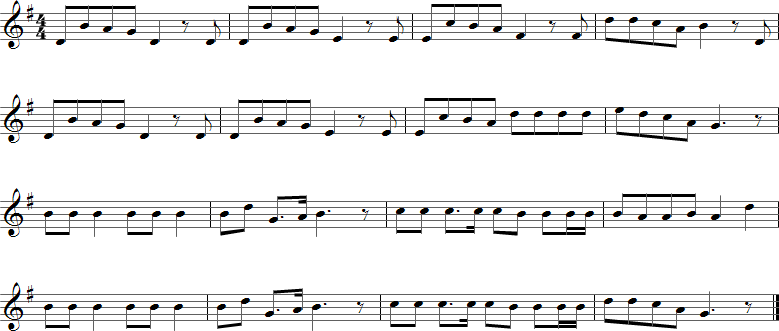
Jingle Bells Sheet Music: Find the Right Version for You
“Jingle Bells” is one of the most recognizable holiday songs, and its lively melody makes it a favorite for beginner and experienced musicians alike. Jingle Bells sheet music is available in many formats, from simple melodies for first-time players to elaborate arrangements for piano, voice, and full ensembles. Choosing the right version depends on your instrument, skill level, and how you plan to perform it.
A Brief History of “Jingle Bells”
James Lord Pierpont wrote “Jingle Bells,” which was first published in 1857 under the title “The One Horse Open Sleigh.” Though it is now closely associated with the holiday season, the song’s lyrics describe a lively sleigh ride. Its catchy tune and steady rhythm have helped make it a seasonal standard around the world.
Types of Jingle Bells Sheet Music
There is no single arrangement that suits every player. Common versions include:
- Beginner melody sheets: A simplified tune, often with note names, finger numbers, or larger notation.
- Piano sheet music: Arrangements range from melody with basic chords to fuller accompaniments for both hands.
- Vocal sheet music: Usually includes the melody, lyrics, and chord symbols for accompaniment.
- Instrument-specific arrangements: Versions are available for guitar, violin, flute, recorder, trumpet, and many other instruments.
- Ensemble arrangements: Parts can be written for duets, choirs, bands, and orchestras.
How to Choose an Arrangement
Start by checking the stated difficulty level and the range of notes. A beginner should look for a version with a comfortable tempo, a clear melody line, and few difficult rhythms. More advanced players may enjoy arrangements with added harmonies, syncopation, or a more elaborate accompaniment.
Also check the key signature and instrument transposition. Some instruments, such as B-flat trumpet and alto saxophone, sound at a different pitch from the notes written on the page. An instrument-specific arrangement will account for this and make the part easier to play with others.
Tips for Practicing the Song
Before playing at full speed, clap or count the rhythm and identify any repeated phrases. Practice the melody slowly, then add the accompaniment once the notes feel comfortable. For piano, try playing the right-hand melody on its own before bringing in the left hand. For a group performance, agree on a tempo and ending so everyone finishes together.
The song’s cheerful character comes from its steady pulse and bright articulation. Keep the rhythm even, and avoid rushing through the faster passages. A metronome can help, especially when learning a new arrangement.
Finding and Using Sheet Music
Look for sheet music from reputable music publishers, libraries, or educational music sites. The original composition is in the public domain in the United States, but a newly created arrangement or edition may still be protected by copyright. Check the source’s usage terms before copying, distributing, or performing an arrangement.
Whether you are learning your first holiday tune or preparing a polished performance, the right “Jingle Bells” sheet music can make the song enjoyable to play and share. Choose an arrangement that fits your instrument and ability, take time to practice the rhythm, and let the familiar melody do the rest.
9 Tips for Playing “Jingle Bells” Sheet Music with Confidence
- Check the key signature before playing.
- Count the pickup notes carefully.
- Keep the rhythm lively and steady.
- Mark repeated sections for easy navigation.
- Watch for rests between melodic phrases.
- Start slowly, then increase the tempo.
- Use a metronome to stay in time.
- Practice tricky measures one at a time.
- Follow dynamic markings for festive expression.
Check the key signature before playing.
Before playing “Jingle Bells,” check the key signature at the beginning of the staff. It tells you which notes are consistently sharp or flat, so you can play the melody and chords correctly. Taking a moment to identify the key can prevent wrong notes and help you feel more confident, especially when playing with a group or accompaniment.
Count the pickup notes carefully.
Count the pickup notes carefully when learning “Jingle Bells” sheet music. The melody begins with notes that lead into the first full measure, so the opening may not start on beat one. Check the time signature, count the rests or beats before the melody enters, and listen for the accompaniment’s cue. Practicing the pickup slowly will help you enter at the right moment and keep the rhythm steady.
Keep the rhythm lively and steady.
Keep the rhythm lively and steady to capture the cheerful spirit of “Jingle Bells.” Start at a comfortable tempo, count each beat evenly, and use a metronome if you tend to speed up. Once the timing feels secure, add a little energy with bright, clear notes—without rushing through the melody.
Mark repeated sections for easy navigation.
Mark repeated sections in your “Jingle Bells” sheet music with clear labels, brackets, or colored tabs so you can find them quickly while practicing or performing. The song’s verses and chorus often reuse the same musical phrases, and marking where to repeat—or where to move to the next section—helps you stay on track without interrupting the rhythm.
Watch for rests between melodic phrases.
Pay attention to the rests between melodic phrases in “Jingle Bells.” These brief pauses are part of the rhythm, giving each phrase room to breathe and helping the melody sound clear and lively. Count through the rests instead of stopping completely, and come in confidently when the next phrase begins.
Start slowly, then increase the tempo.
When learning “Jingle Bells,” begin at a slow, comfortable tempo so you can play each note and rhythm accurately. Once the melody feels steady, gradually increase the speed in small steps, using a metronome if helpful. This approach builds confidence and control while keeping the tune cheerful and clear.
Use a metronome to stay in time.
Use a metronome to keep a steady beat while practicing “Jingle Bells.” Start at a comfortable, slower tempo and play along with each click, paying attention to even rhythms and clean transitions between notes. Once you can play the passage accurately, gradually increase the speed until you reach the tempo you want.
Practice tricky measures one at a time.
When practicing “Jingle Bells,” focus on tricky measures one at a time instead of starting over from the beginning after every mistake. Slow down the difficult passage, play it several times until the notes and rhythm feel comfortable, then gradually increase the tempo. Once you can play it smoothly on its own, connect it to the measures before and after it. This targeted approach helps build confidence and makes the full song easier to perform.
Follow dynamic markings for festive expression.
Follow the dynamic markings in your “Jingle Bells” sheet music to bring out its festive character. Play softer passages gently and build volume where the music grows, adding contrast and excitement without losing the song’s cheerful rhythm. These changes in volume help the melody feel lively and expressive, whether you’re performing solo or with a group.