
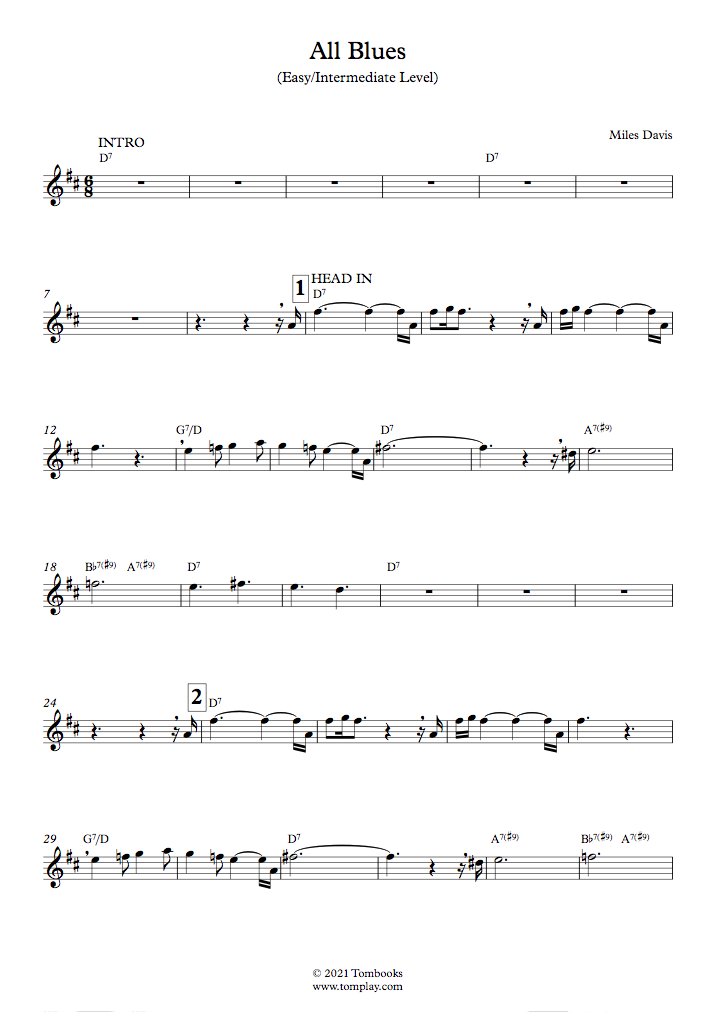
Saxophone Sheet Music: A Guide for Players
Saxophone sheet music helps players turn written notes into sound, whether they are learning their first melody or preparing a polished performance. Music is available for every saxophone level and style, from beginner exercises and jazz standards to classical solos and contemporary songs. Knowing how to choose and use the right music can make practice more focused and enjoyable.
What Is Saxophone Sheet Music?
Saxophone sheet music is written music arranged for one or more types of saxophone. A score may show a melody, a part within an ensemble, or a complete arrangement with accompaniment. It typically includes notes, rhythms, rests, dynamics, tempo markings, and other instructions that guide the performer.
Saxophones are transposing instruments, which means the written note may sound at a different pitch than a note played on a concert-pitch instrument such as piano. Alto and baritone saxophones are generally in E-flat, while tenor and soprano saxophones are generally in B-flat. When choosing music, check that the part matches your instrument.
Common Types of Saxophone Music
- Beginner music: Simple tunes and exercises with a limited range, clear rhythms, and fingering guidance.
- Classical repertoire: Etudes, sonatas, concert pieces, and works arranged for saxophone with piano or ensemble accompaniment.
- Jazz charts: Lead sheets, melodies, chord symbols, and arrangements for small groups or big bands.
- Popular music: Song melodies, solo parts, and arrangements from film, theater, and contemporary music.
- Ensemble parts: Music written for saxophone quartets, concert bands, jazz bands, and other groups.
How to Choose the Right Sheet Music
Start by matching the music to your saxophone: soprano, alto, tenor, or baritone. Then consider your playing level. A piece that is too difficult can make practice frustrating, while music that is too easy may not offer enough challenge. Look at the range, key signature, tempo, rhythms, and any unfamiliar techniques before you begin.
It also helps to choose music that interests you. A favorite melody can keep practice motivating, while a mix of styles can build flexibility. If you are playing with a pianist, band, or recording, make sure everyone has compatible versions in the correct keys.
Reading and Practicing from a Score
Before playing, scan the page for the key signature, time signature, tempo, repeats, and challenging passages. Clap or count difficult rhythms, and work through tricky measures slowly. Use a metronome to develop steady timing, then gradually increase the tempo as the notes become more secure.
Pay attention to more than the notes. Dynamics, articulation, phrasing, and breath marks all shape the musical result. Marking breaths and writing in a few fingerings can be useful, but avoid adding so much notation that the page becomes hard to read. A recording or accompaniment track can help you understand the style, but use the printed music to guide your own interpretation.
Finding Saxophone Sheet Music
Saxophone music is available through music stores, libraries, publishers, teachers, and reputable digital sheet-music platforms. Some sites offer free public-domain works, while others sell licensed arrangements. Check the publisher, instrument, difficulty level, and whether accompaniment is included before downloading or purchasing a score.
Copyright rules apply to many songs and arrangements. Use authorized editions and follow the terms for printing, sharing, or performing digital music. Public-domain status can vary by country and by arrangement, so verify the rights information when in doubt.
Make Sheet Music Part of Your Progress
The right saxophone sheet music can support every stage of learning. Choose pieces that fit your instrument and current ability, practice them in manageable sections, and listen closely to tone, rhythm, and phrasing. Over time, a growing collection of music can help you explore new styles and become a more confident, expressive player.
Saxophone Sheet Music FAQs: Best Sites, Free Scores, Famous Tunes, and Playing Tips
- What is the best site for saxophone sheet music?
- Why are saxophones not allowed in orchestra?
- What is the best sheet music site for saxophone?
- Where can I find free saxophone sheet music?
- Can a saxophone play piano sheet music?
- What’s that one famous saxophone song?
- Is saxophone sheet music the same as piano?
- What is that famous saxophone tune?
- Do you need to read sheet music to play saxophone?
What is the best site for saxophone sheet music?
The best site for saxophone sheet music depends on your instrument, skill level, and preferred style. Reputable platforms such as Musicnotes and Sheet Music Plus offer a wide selection of licensed arrangements, while music publishers and educational sites may be better for method books, classical pieces, or ensemble parts. Before downloading, check that the sheet music is arranged for your saxophone—soprano, alto, tenor, or baritone—and that the difficulty level and accompaniment suit your needs.
Why are saxophones not allowed in orchestra?
Saxophones are not generally “not allowed” in orchestras; they’re simply not standard instruments in most traditional symphony orchestras. The saxophone was invented in the 19th century, after many core orchestral traditions and repertoires were established, and composers have used it selectively rather than routinely. Orchestras do perform works that include saxophone, and it appears in some modern compositions, film scores, and special arrangements. Its absence from many programs reflects history and repertoire, not a rule against the instrument.
What is the best sheet music site for saxophone?
The best sheet music site for saxophone depends on your instrument, skill level, and preferred style. Look for a reputable source that clearly labels music for soprano, alto, tenor, or baritone saxophone and offers previews, difficulty ratings, and accurate arrangements. A strong selection of licensed jazz, classical, and popular music—as well as accompaniment options—can make a site especially useful for practice and performance.
Where can I find free saxophone sheet music?
Free saxophone sheet music is available from public-domain music libraries, educational websites, and reputable sheet-music platforms that offer free downloads. Search by saxophone type—such as alto, tenor, soprano, or baritone—and check that the part is in the correct key and difficulty level. Before downloading or sharing a piece, review its copyright and usage terms, since a song may be free to view but not free to print, distribute, or perform publicly.
Can a saxophone play piano sheet music?
A saxophone can play melodies from piano sheet music, but the notes may need to be transposed because saxophones are transposing instruments: alto and baritone saxophones are in E-flat, while soprano and tenor saxophones are in B-flat. A player can use a transposed saxophone part, transpose the melody, or play from a concert-pitch version with the appropriate adjustments. Piano music may also include chords or notes beyond the saxophone’s range, so those parts usually need to be adapted for a single-line instrument.
What’s that one famous saxophone song?
When people ask about “that one famous saxophone song,” they’re often thinking of “Careless Whisper” by George Michael, known for its instantly recognizable opening saxophone riff. Another popular answer is “Baker Street” by Gerry Rafferty, featuring a memorable saxophone solo. If you’re looking for sheet music, check the arrangement’s instrument and difficulty level to find a version that suits your saxophone and playing experience.
Is saxophone sheet music the same as piano?
No. Saxophone sheet music is usually written for a transposing instrument, while piano music is written at concert pitch. Alto and baritone saxophones are in E-flat, and soprano and tenor saxophones are in B-flat, so the written notes may differ from the notes the piano plays. When playing together, use a saxophone part arranged for your specific instrument rather than simply reading the piano part.
What is that famous saxophone tune?
There isn’t just one famous saxophone tune, but two of the best-known are the saxophone solo in “Baker Street” by Gerry Rafferty and the opening melody of “Careless Whisper” by George Michael. “The Pink Panther Theme” and “Yakety Sax” are also instantly recognizable. The tune you have in mind may depend on where you heard it and whether it was played on alto, tenor, or another type of saxophone.
Do you need to read sheet music to play saxophone?
No, you don’t need to read sheet music to play saxophone. Many players learn by ear, use recordings, or follow chord charts and tablature-style guides. However, reading music can make it easier to learn new songs, understand rhythm, play with ensembles, and explore a wider range of styles. You can start playing without it and build your music-reading skills gradually as you go.