
Easy Clarinet Sheet Music: A Beginner’s Guide
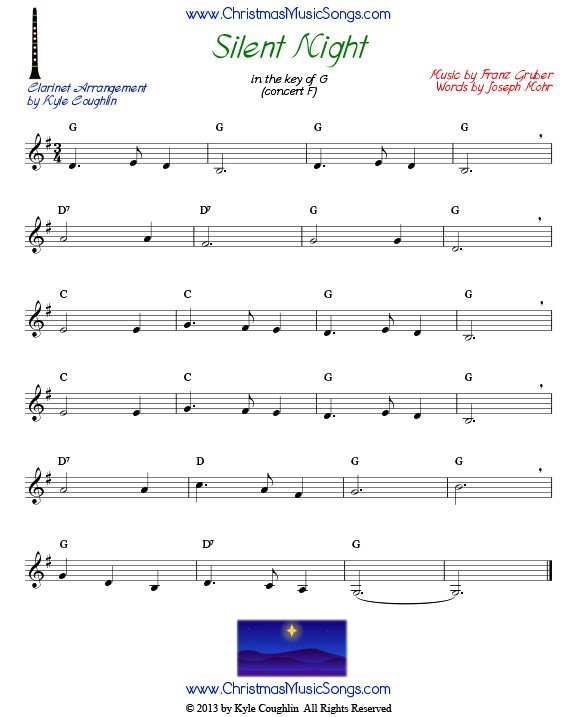
Learning clarinet is more enjoyable when you have music that matches your current skill level. Easy clarinet sheet music can help beginners build confidence, practice essential techniques, and start playing familiar melodies without feeling overwhelmed.
What Makes Clarinet Sheet Music Easy?
Beginner-friendly music usually introduces musical ideas gradually. Look for pieces with:
- A limited range of notes, especially notes in the clarinet’s comfortable middle register
- Simple rhythms, such as quarter notes, half notes, and basic rests
- Few accidentals and an uncomplicated key signature
- Short phrases with clear patterns and repetition
- A moderate tempo and enough space to breathe
Some easy arrangements also include note names, fingering charts, or audio recordings. These extras can be useful, though it’s still worth learning to read the notes and rhythms directly from the page.
Choose Music That Fits Your Level
New players often begin with simple exercises and short melodies that use a small number of notes. As your reading and finger coordination improve, you can move on to music with longer phrases, more varied rhythms, and additional notes across the clarinet’s range.
Choose a piece that feels achievable but still gives you something to work on. If you struggle to play even a short passage slowly, the music may be too advanced for now. If every note and rhythm feels effortless, try a slightly more challenging arrangement.
Tips for Practicing a New Piece
- Check the basics. Before playing, notice the key signature, time signature, tempo marking, and any unfamiliar symbols.
- Review the notes. Say or identify the note names, and check fingerings you don’t recognize.
- Clap the rhythm. Tapping or clapping a phrase can make its timing easier to understand.
- Start slowly. Use a comfortable tempo, then gradually increase the speed while keeping the notes clear.
- Practice in short sections. Work on a few measures at a time before joining them together.
- Pay attention to breath. Mark breathing spots where needed, and avoid interrupting a phrase unnecessarily.
Finding Easy Clarinet Sheet Music
Beginner clarinet books, music teachers, libraries, and reputable online music platforms are all useful places to look. When choosing a digital score, confirm that it is written for the type of clarinet you play. Most beginners use B-flat clarinet, but music may also be written for other clarinets or in concert pitch. If you’re unsure, ask a teacher or check the instrument label on the score.
Also check whether the music is legally available to download or print. Public-domain pieces and authorized beginner arrangements can offer plenty of options, from traditional melodies to simple classical themes and popular songs.
Build Skills One Piece at a Time
Easy clarinet sheet music is more than a collection of simple tunes—it’s a practical way to develop note reading, rhythm, tone, and breath control. Choose music you enjoy, practice consistently, and celebrate steady progress. With time, today’s beginner pieces can become the foundation for more challenging music.
5 Tips for Choosing and Practicing Easy Clarinet Sheet Music
- Choose music with a small note range.
- Start with simple rhythms and few accidentals.
- Check that the piece fits your clarinet level.
- Mark tricky notes before you play.
- Practice slowly, then gradually increase the tempo.
Choose music with a small note range.
Choose easy clarinet sheet music with a small note range, especially when you’re just starting out. Pieces that use a few notes in a comfortable part of the clarinet help you focus on steady breathing, clear tone, and accurate finger placement without having to learn many new fingerings at once. As these notes become familiar, you can gradually try music that reaches higher or lower.
Start with simple rhythms and few accidentals.
When choosing easy clarinet sheet music, start with pieces that use simple rhythms and few accidentals. Steady note patterns are easier to read and play, while fewer sharps and flats help you focus on learning the notes and fingerings. As your confidence grows, gradually try music with more varied rhythms and accidentals.
Check that the piece fits your clarinet level.
Choose a piece that matches your current clarinet skills so you can enjoy playing while building confidence. If the notes, rhythms, and tempo feel too difficult to manage—even when you slow down—try an easier arrangement. If the music feels effortless, look for one with a slightly wider note range or more varied rhythms to keep progressing.
Mark tricky notes before you play.
Before you play a new piece, scan the music for notes that look unfamiliar or difficult to reach, then mark them with a pencil or add a small fingering reminder. Reviewing tricky notes ahead of time helps you avoid unexpected pauses, keep a steady rhythm, and focus on making a clear, confident sound.
Practice slowly, then gradually increase the tempo.
When learning easy clarinet sheet music, start by practicing slowly enough to play every note and rhythm accurately. A relaxed pace gives you time to check your fingerings, breathing, and tone without rushing. Once a passage feels comfortable and consistent, increase the tempo a little at a time, using a metronome if helpful. Gradual increases build speed while keeping your playing clear and controlled.