
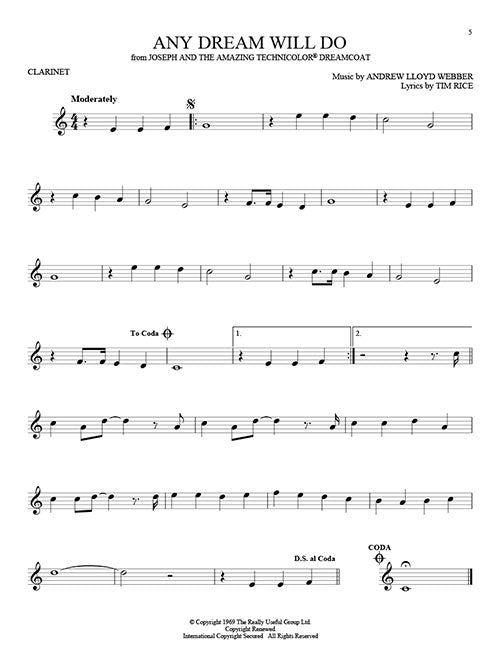
Clarinet Sheet Music: A Guide for Players
Clarinet sheet music helps players turn written notes into the instrument’s warm, flexible sound. Whether you are learning your first melodies or preparing a concert, choosing music that fits your instrument and experience level can make practice more rewarding. Understanding a few basics—such as transposition, notation, and difficulty—will help you find and read clarinet music with confidence.
What Is Clarinet Sheet Music?
Clarinet sheet music is music written for the clarinet, usually in standard notation. It shows the notes, rhythms, dynamics, articulation, and other directions a player needs to perform a piece. Music may be written for solo clarinet, clarinet with piano accompaniment, a clarinet ensemble, or a larger group such as a concert band or orchestra.
Clarinet music is commonly written in treble clef. A part may also include markings for tempo, expression, articulation, and breath points. These directions help shape the music beyond simply playing the correct notes.
Know Which Clarinet You Play
Many clarinets are transposing instruments. This means the note written on the page may not sound at the same pitch as a note played on a concert-pitch instrument, such as a piano. The most common instrument for beginners and band musicians is the B-flat clarinet. When a B-flat clarinet plays a written C, the sound is a concert B-flat.
Other clarinets, including A and E-flat clarinets, are also used in some ensembles and repertoire. Their parts are written for those specific instruments, so a player should check the instrument listed on the music before playing. If the sheet music is written for piano, flute, or another concert-pitch instrument, it may need to be transposed or specially arranged for clarinet.
Choosing Music at the Right Level
The best sheet music is challenging enough to build your skills but not so difficult that every practice session becomes frustrating. Beginners may want music with a limited range of notes, familiar rhythms, clear phrasing, and few accidentals. More experienced players can look for pieces with faster passages, wider leaps, more complex rhythms, and greater demands on tone and expression.
Before choosing a piece, check its key signature, tempo, range, and technical requirements. It can also help to listen to a recording while following the score. Listening gives you a sense of the style and phrasing, but use the printed music to learn the notes and rhythms accurately.
How to Read and Practice Clarinet Music
- Check the basics: Confirm the clef, key signature, time signature, and instrument listed on the part.
- Count before playing: Tap or speak the rhythm slowly, especially when the piece includes rests, syncopation, or changing time signatures.
- Work in small sections: Practice a few measures at a time, then connect them once they feel comfortable.
- Use a slow tempo: A metronome can help you keep a steady beat and gradually build speed.
- Notice musical markings: Follow dynamics, articulation, slurs, and phrasing rather than focusing only on the notes.
- Plan your breathing: Mark natural places to breathe without interrupting the musical line.
For ensemble music, pay attention to rests and cues as well as your own part. Listening to the other instruments is essential for staying together and balancing your sound.
Finding Clarinet Sheet Music
Clarinet sheet music is available through music stores, libraries, publishers, teachers, and reputable digital music platforms. Some sites offer free scores, but check that the music is legally available for download or performance. Copyright rules vary depending on the work and where it is published, so avoid assuming that a score is free to use just because it appears online.
When downloading or purchasing music, make sure the edition matches your instrument and purpose. A solo part, a piano accompaniment, and a concert band part may look very different even when they feature the same piece. For a performance, confirm that you have the complete score and any required accompaniment parts.
Make the Most of Your Music
Clarinet sheet music is more than a set of notes—it is a guide to rhythm, expression, and communication. Choose pieces that suit your current ability, read the instrument information carefully, and practice with patience. Over time, regular work with a variety of music can strengthen sight-reading, technique, tone, and confidence.
Clarinet Sheet Music FAQs: Finding Music, Transposing, Reading Notes, and More
- Where can I find free clarinet sheet music?
- How do I know whether sheet music is written for B-flat clarinet?
- What is the difference between clarinet sheet music and concert-pitch music?
- How do I transpose piano sheet music for clarinet?
- What clarinet sheet music is best for beginners?
- How can I read notes and rhythms on clarinet sheet music?
- Can I print or legally use clarinet sheet music I find online?
- Where can I find clarinet sheet music with piano accompaniment?
Where can I find free clarinet sheet music?
You can find free clarinet sheet music through public libraries, music-education websites, and online archives such as the International Music Score Library Project (IMSLP), which hosts public-domain scores. Some publishers and teachers also offer free beginner pieces or practice exercises. Before downloading, check that the music is written for your clarinet (such as B-flat or E-flat) and that it’s legally available for free use; newer arrangements may still be protected by copyright.
How do I know whether sheet music is written for B-flat clarinet?
Check the instrument label or title on the score for “B♭ clarinet,” “Bb clarinet,” or simply “Clarinet,” which often refers to the standard B-flat clarinet. You can also check the key of the part: B-flat clarinet music is typically transposed, so a written C sounds like a concert B-flat. If the score is labeled “concert pitch” or intended for piano, flute, or another non-transposing instrument, it may not be written specifically for B-flat clarinet. When the labeling is unclear, ask a music teacher or compare the part with a reliable B-flat clarinet edition.
What is the difference between clarinet sheet music and concert-pitch music?
Clarinet sheet music is often written for a transposing instrument, so the notes on the page may differ from the pitches that sound. For example, on a B-flat clarinet, written C sounds as concert B-flat. Concert-pitch music, by contrast, shows the actual sounding notes, as commonly used for piano or flute. If you want to play concert-pitch music on clarinet, the part may need to be transposed or arranged for your instrument.
How do I transpose piano sheet music for clarinet?
To adapt piano sheet music for a B-flat clarinet, transpose the clarinet part up a whole step from the piano’s concert pitch—for example, a written C becomes D—so it sounds at the same pitch as the original. Move the key signature up a whole step as well, and adjust every note and accidental consistently. The clarinet has a different range and cannot play chords like a piano, so you’ll usually need to select the melody or a suitable line rather than copy the entire piano part. If you play an A clarinet, transpose the music up a minor third instead.
What clarinet sheet music is best for beginners?
For beginners, the best clarinet sheet music features a comfortable range, simple rhythms, a few familiar notes, and clear notation. Look for beginner method books or easy melodies labeled for first-year players, and make sure the music is written for your clarinet—most beginners play B-flat clarinet. Short, familiar tunes can make practice enjoyable while helping you build steady rhythm, tone, and confidence.
How can I read notes and rhythms on clarinet sheet music?
To read notes and rhythms on clarinet sheet music, start by identifying the treble clef, key signature, and time signature. The notes appear on the staff’s lines and spaces, while the key signature shows which notes are sharp or flat; remember that clarinet music is often written for a transposing instrument, so the written pitch may differ from the concert pitch. Note shapes and flags indicate how long to hold each sound, and rests mark silence. Count the beat steadily, check tempo and articulation markings, and practice difficult measures slowly—clapping or speaking the rhythm first can help.
Can I print or legally use clarinet sheet music I find online?
Whether you can print or use clarinet sheet music found online depends on its copyright and the website’s terms. Public-domain scores and music offered under a license that permits printing or performance can generally be used according to that license, while copyrighted music usually requires permission or an authorized purchase. A score being free to view or download does not automatically make it legal to print, share, or perform. Check the source’s usage terms and copyright information before using the music.
Where can I find clarinet sheet music with piano accompaniment?
You can find clarinet sheet music with piano accompaniment through music stores, online sheet-music retailers, libraries, and reputable digital music platforms. Search for the clarinet part and piano score together, and check that the music matches your clarinet—often B-flat clarinet—and your skill level. Many listings include sample pages or recordings, which can help you confirm the arrangement before buying or downloading it.