
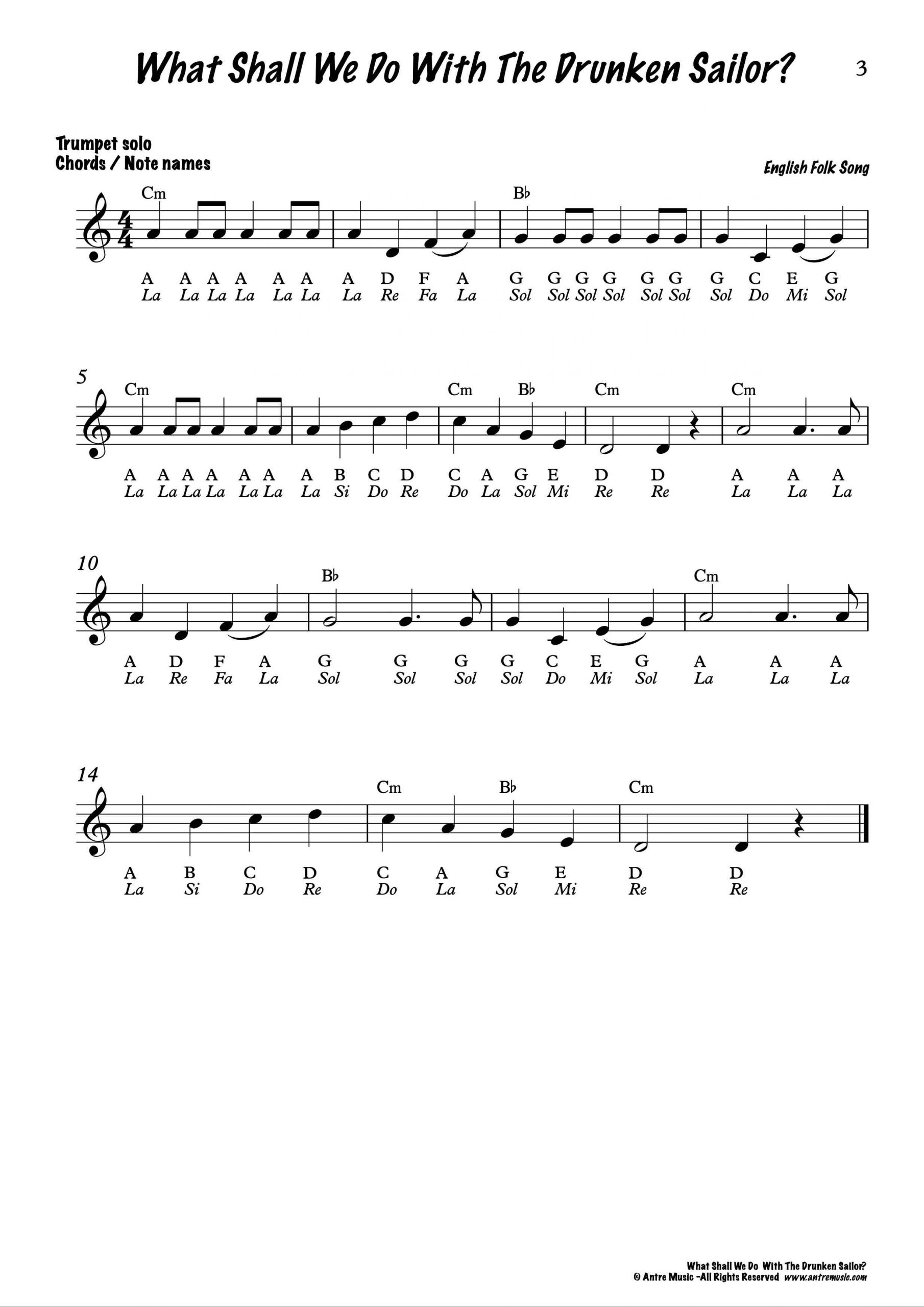
Trumpet Sheet Music: A Guide for Players of Every Level
Trumpet sheet music opens the door to a wide range of musical styles, from classical concertos and jazz standards to pop melodies, film scores, and traditional songs. Whether you are just learning to read music or preparing for a performance, choosing the right score can make practice more enjoyable and help you build confidence.
Understanding Trumpet Music
Most trumpet players read music written in treble clef. The trumpet is commonly a B-flat transposing instrument, which means that a written note sounds a whole step lower when played on a standard B-flat trumpet. Many beginner and intermediate trumpet books are already arranged for B-flat trumpet, but it is important to check the instrument and key before using a score.
Some music is written in concert pitch, where the notes shown match the pitches heard. This format is often used in piano scores, ensemble arrangements, and digital notation. If you are playing from a concert-pitch part, you may need to transpose the notes for your trumpet.
Choosing Sheet Music by Skill Level
Beginners can start with simple melodies that use a comfortable range, familiar rhythms, and a few notes. Look for music that includes clear fingering charts, rhythm explanations, or play-along tracks. Short, recognizable tunes can make it easier to stay motivated while developing the basics.
Intermediate players may be ready for wider ranges, more complex rhythms, key changes, and longer phrases. Music at this level can help strengthen articulation, endurance, and tone control. Advanced players can explore demanding solo works, intricate jazz arrangements, and repertoire that calls for greater range, flexibility, and musical expression.
Explore Different Musical Styles
Trumpet sheet music is available in nearly every genre. Classical repertoire can help develop sound, phrasing, and technical precision. Jazz charts introduce styles such as swing, bebop, and Latin jazz, often with chord symbols or improvisation sections. Pop and rock arrangements offer familiar melodies, while movie and video game music can bring dramatic themes to the practice room.
Traditional and folk music can also be rewarding to play, especially in ensemble settings. Trying a variety of styles helps trumpet players become more versatile and discover the kinds of music they enjoy most.
Tips for Practicing with Sheet Music
- Check the key signature, time signature, and tempo before you begin.
- Clap or count through unfamiliar rhythms before playing them.
- Practice difficult passages slowly, then gradually increase the tempo.
- Mark breaths and phrasing to support a steady, expressive performance.
- Use a metronome or play-along recording to build consistent timing.
- Keep the music at a comfortable reading distance and use good lighting.
It can also help to listen to a recording of the piece before practicing. Listening gives you a sense of the style and phrasing, while the sheet music shows how the notes, rhythms, and dynamics fit together.
Finding the Right Trumpet Sheet Music
When selecting a score, confirm that it is written for your instrument and playing level. Check whether it includes a separate trumpet part, a piano accompaniment, chord symbols, or a full ensemble arrangement. For digital sheet music, make sure the file is easy to read on your device and that you have permission to print or use it as intended.
The best trumpet sheet music is music that challenges you without making practice feel out of reach. With a suitable score, steady practice, and a willingness to explore new styles, every piece can help you grow as a musician.
8 Tips for Reading Trumpet Sheet Music with Confidence
- Check the key signature before playing.
- Mark breaths at natural phrase breaks.
- Count rests carefully.
- Watch for accidentals in each measure.
- Use a metronome to build steady timing.
- Practice high notes softly before playing louder.
- Circle dynamic changes for quick reference.
- Transpose carefully when reading parts for B-flat trumpet.
Check the key signature before playing.
Before playing a piece of trumpet sheet music, check the key signature—the sharps or flats shown beside the clef. It tells you which notes are altered throughout the piece, unless a natural sign changes them. Taking a moment to identify the key can help you avoid wrong notes, choose the right fingerings, and play with greater confidence.
Mark breaths at natural phrase breaks.
Mark breaths at natural phrase breaks to keep your playing comfortable and your musical lines flowing smoothly. Look for pauses, rests, or the ends of melodic ideas, and add small breath marks to your sheet music where they make sense. Planning ahead helps you avoid interrupting an important note or taking a rushed breath in the middle of a phrase.
Count rests carefully.
Count rests carefully when reading trumpet sheet music so you know exactly when to come in and how long to stay silent. Keep tracking the beat during each rest—silently counting, tapping a foot, or following the conductor can help you stay in time. Marking longer rests or important entrances can also make it easier to rejoin the music confidently.
Watch for accidentals in each measure.
Watch for accidentals—sharps, flats, and naturals—as you read trumpet sheet music. An accidental usually changes the pitch of that note for the rest of the measure, unless another accidental changes it again; the effect resets at the next bar line. Keep an eye on the key signature, too, so you can tell which notes are already altered. Checking carefully helps prevent wrong notes and makes tricky passages easier to play accurately.
Use a metronome to build steady timing.
Use a metronome while practicing trumpet sheet music to develop steady, reliable timing. Start at a tempo slow enough to play each note and rhythm accurately, then gradually increase the speed as you become more comfortable. Pay attention to staying in time through rests, long notes, and tricky passages. Over time, regular metronome practice can improve your rhythm, confidence, and ability to play with other musicians.
Practice high notes softly before playing louder.
Practice high notes softly before playing them louder. Starting at a gentle volume helps you focus on steady airflow, a relaxed embouchure, and a clear tone without forcing the sound. Once the notes feel controlled and comfortable, gradually increase the volume while keeping the same ease and quality.
Circle dynamic changes for quick reference.
Circle dynamic changes in your trumpet sheet music so you can spot them quickly while playing. Marking shifts in volume—such as moving from piano to forte—helps you prepare for each change, shape musical phrases, and stay expressive without losing your place.
Transpose carefully when reading parts for B-flat trumpet.
When reading sheet music written in concert pitch, transpose carefully for B-flat trumpet: the trumpet sounds a whole step lower than the written note, so you’ll generally need to play the written part a whole step higher to match the concert-pitch music. Before practicing, check whether the part is already written for B-flat trumpet—transposing it again would put you in the wrong key.