
Violin Sheet Music: A Guide for Players of Every Level
Violin sheet music turns musical ideas into written instructions a player can follow. Whether you are learning your first tune, preparing for an orchestra audition, or exploring a new style, the right music can make practice more rewarding and help you build skills step by step.
What Is Violin Sheet Music?
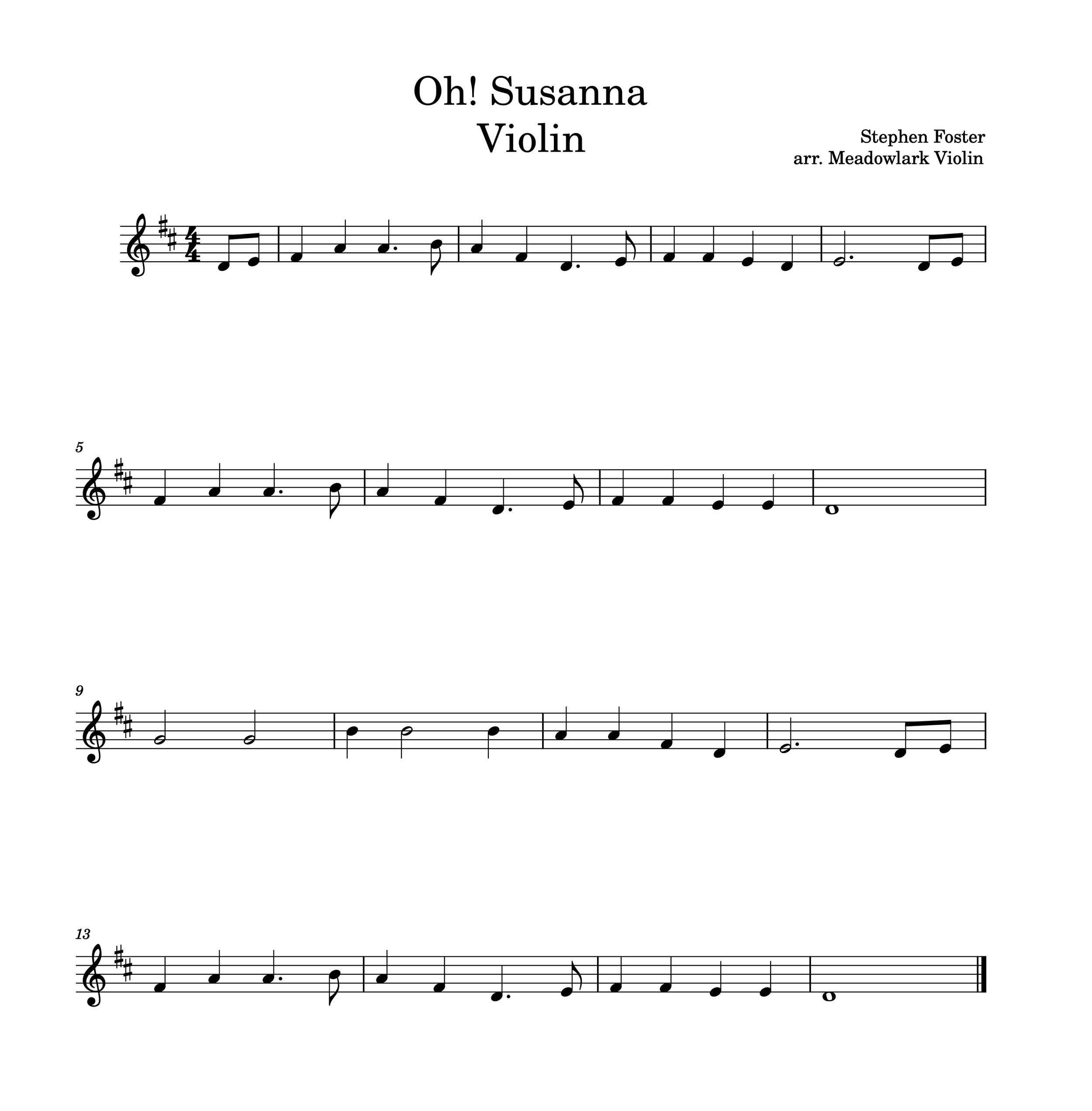
Violin sheet music uses musical notation to show pitch, rhythm, dynamics, and other performance details. Most violin music is written on the treble clef staff. Notes indicate which pitches to play, while their shapes and placement show how long to hold them. Additional markings can tell you when to play louder or softer, speed up or slow down, or use a particular bowing technique.
Violinists also need to understand how written notes relate to the instrument. The violin has four strings—G, D, A, and E—and many notes can be played in more than one position. Finger numbers, string indications, and position markings may appear in beginner arrangements, though they are often left out of more advanced music.
Choosing Music That Fits Your Level
Good sheet music should offer a manageable challenge. Music that is far beyond your current ability can make practice frustrating, while pieces that are too easy may not help you grow. Consider the following when choosing a piece:
- Reading level: Check whether the music includes unfamiliar rhythms, key signatures, or high notes.
- Left-hand technique: Look for shifts, extensions, or finger patterns that match your experience.
- Bowing demands: Pay attention to slurs, string crossings, and bowing instructions.
- Tempo: A fast piece can be difficult even when the notes look simple.
- Arrangement: Confirm that the music is written for solo violin or includes the accompaniment you need.
Beginners often benefit from arrangements with clear fingerings, simple rhythms, and limited range. As technique develops, players can explore more complex repertoire, including works that use shifting, vibrato, double stops, and advanced bow strokes.
How to Read Violin Sheet Music
Start by identifying the clef, time signature, and key signature. The time signature indicates how beats are grouped in each measure. The key signature shows which notes are typically sharp or flat throughout the piece. Before playing, scan the music for changes in tempo, dynamics, and articulation.
Next, work through the notes and rhythms slowly. Clap or count difficult rhythms before adding the violin. If the score includes fingerings or string labels, use them as guides, but try to understand why those choices work. A teacher can help with tricky passages and suggest fingering or bowing options suited to your hand and skill level.
Finding Violin Sheet Music
Violin music is available in print and digital formats through music stores, publishers, libraries, teachers, and reputable sheet-music websites. You can search by composer, title, genre, or difficulty level. Some scores are public domain, while others are protected by copyright. Check the usage terms before downloading, printing, sharing, or performing a score.
When selecting an online edition, review the sample pages if available. Make sure the notation is legible and that the arrangement matches your needs. If you are playing with a pianist or another ensemble, verify that the parts are compatible and include the correct accompaniment.
Making Practice More Effective
Use the sheet music as a practice plan rather than trying to play a piece from beginning to end every time. Break challenging passages into short sections, begin at a comfortable tempo, and increase the speed gradually. A metronome can help develop steady timing, while a tuner can support accurate intonation.
Marking the score can also make practice more focused. You might circle a key change, note a difficult shift, or write in a bowing reminder. Keep annotations clear and useful, and avoid making changes to borrowed or copyrighted scores unless permitted.
Build Your Repertoire One Piece at a Time
Exploring violin sheet music is a way to discover new composers, styles, and techniques. Choose music that interests you, learn to read it carefully, and give yourself time to work through its challenges. With consistent practice and suitable repertoire, each new score can become an opportunity to strengthen your musicianship and enjoy playing the violin.
9 Tips for Reading Violin Sheet Music with Confidence
- Check the key signature before playing.
- Identify the time signature and count carefully.
- Mark fingerings for difficult passages.
- Use a pencil to note bowings.
- Watch for dynamics and expression marks.
- Practice tricky rhythms slowly.
- Check accidentals through the measure.
- Follow rests and count every beat.
- Keep your eyes ahead while reading.
Check the key signature before playing.
Before playing a piece, check its key signature—the sharps or flats shown at the beginning of each staff. These markings tell you which notes are usually altered throughout the music, helping you choose the right finger placements and play in tune. Take a moment to identify the key and notice any accidentals later in the score, since they can temporarily change a note.
Identify the time signature and count carefully.
Before you start playing, identify the time signature at the beginning of the violin sheet music. It tells you how many beats are in each measure and which note value gets one beat. Count slowly, tap the pulse, or use a metronome to keep the rhythm steady, especially through rests, dotted notes, and changing patterns. Careful counting helps you stay with the music and makes difficult passages easier to learn.
Mark fingerings for difficult passages.
Marking fingerings for difficult passages can make violin sheet music easier to follow and help you practice more efficiently. Add clear, consistent finger numbers above the notes where you tend to hesitate, especially during shifts or unfamiliar patterns. Once the passage feels comfortable, try playing it without relying on the markings so you can build confidence and independence.
Use a pencil to note bowings.
Use a pencil to mark bowings on your violin sheet music so you can remember where to play with an up-bow or down-bow, change direction, or use a particular stroke. Pencil marks are easy to adjust as you learn more about the passage or receive guidance from a teacher. Keep the notes neat and consistent, and erase any markings that are no longer helpful.
Watch for dynamics and expression marks.
Pay close attention to dynamics and expression marks in violin sheet music—they show how the music should feel, not just which notes to play. Markings such as piano (soft), forte (loud), crescendo (gradually louder), and diminuendo (gradually softer) help shape the sound and bring contrast to a piece. Expression instructions, such as legato or staccato, guide the way notes are connected or separated. Notice these markings early, and practice them along with the notes so your playing feels musical and expressive.
Practice tricky rhythms slowly.
When a rhythm feels tricky, slow it down and work through it one beat—or even one measure—at a time. Count aloud, tap the beat, or use a metronome to keep the pulse steady while you learn where each note falls. Once the rhythm feels secure, gradually increase the tempo until you can play it smoothly at the intended speed.
Check accidentals through the measure.
When reading violin sheet music, keep track of accidentals—sharps, flats, and naturals—throughout the measure. In standard notation, an accidental usually applies to every note of the same pitch and octave that follows it in that measure, unless another accidental changes it. The effect resets at the bar line, so check each new measure carefully. This habit helps you play the intended pitches accurately and avoid surprises as you read.
Follow rests and count every beat.
Follow rests carefully and count every beat, even when you aren’t playing. Rests are part of the music, not pauses to ignore: keeping a steady internal pulse helps you reenter at the right moment, stay in sync with other musicians, and maintain the piece’s rhythm. If a passage is tricky, count aloud or use a metronome while you practice.
Keep your eyes ahead while reading.
Keep your eyes a little ahead of the notes you’re playing. This helps you anticipate changes in rhythm, fingering, and bowing instead of reacting at the last second. Start by looking just a beat or a few notes ahead, and gradually extend your range as you become more comfortable. With practice, looking ahead can help you play more smoothly and confidently.