
Kalimba Sheet Music: A Beginner’s Guide to Reading and Playing
Kalimba sheet music helps players turn written notes into melodies on the kalimba, a small instrument with metal tines attached to a wooden or acrylic body. Whether you’re learning a familiar song or creating your own, sheet music can offer a clear starting point. Kalimba music may be written in standard notation, number notation, tablature, or a combination of formats, so it helps to know what each one shows.
What Is Kalimba Sheet Music?
Traditional sheet music uses a five-line staff to show pitch and rhythm. Notes are placed on the staff, and their position indicates which pitches to play. This format is useful if you already read music or want to apply music theory to the kalimba.
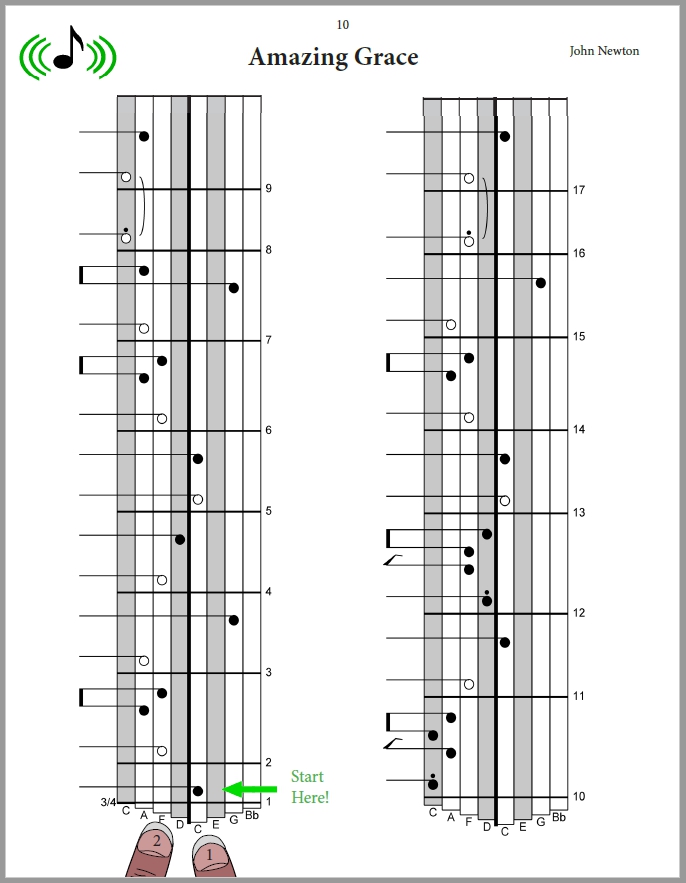
Many kalimba arrangements also use simplified systems designed for the instrument. These may show note names, numbers, or a diagram of the kalimba’s tines. Some versions include rhythm marks, while others focus mainly on the order of the notes.
Common Types of Kalimba Notation
- Standard notation: Uses a musical staff, clefs, note values, and other familiar symbols. It can provide detailed information about pitch and rhythm.
- Number notation: Assigns numbers to notes or scale degrees. The meaning of the numbers can vary, so check the key or legend included with the arrangement.
- Letter notation: Names notes with letters, such as C, D, E, and F. Octave marks or other symbols may be added to distinguish notes in different registers.
- Kalimba tablature: Shows which tines to play, often using a diagram or a sequence of symbols. It can be approachable for beginners, though formats differ between publishers and creators.
Understand Your Kalimba Before You Start
Kalimbas come in different sizes and tunings. A 17-key kalimba in C major is common, but instruments with other numbers of tines or different tunings are also available. Before using a piece of sheet music, compare its tuning and range with your instrument. An arrangement written for a different kalimba may include notes your instrument cannot play without retuning or adapting the music.
It also helps to learn the layout of your tines. On many kalimbas, the lowest notes are near the center, with higher notes alternating outward from side to side. However, layouts can vary, so use the tuning chart or note labels for your specific instrument.
How to Read a Kalimba Arrangement
- Check the tuning. Look for the instrument type, key, or tuning listed with the music.
- Find the notation guide. Read any legend explaining numbers, letters, symbols, or tine diagrams.
- Identify the notes. Match the written notes to the tines on your kalimba.
- Look at the rhythm. Note values, spacing, or timing marks show how long to hold each note and when to play it.
- Start slowly. Play a short phrase at a comfortable pace before attempting the full piece.
Tips for Practicing with Sheet Music
Begin with a simple melody and work through it one phrase at a time. If the arrangement includes both melody and accompaniment, learn the melody first. Add the supporting notes after you can play the main line steadily.
Use a tuner to check your kalimba’s pitch, especially if notes sound different from the arrangement. A metronome can help you keep an even tempo, but it’s fine to practice without one while you’re still learning the notes. Repeating a difficult measure slowly is often more effective than playing the entire piece from beginning to end.
Keep your hands relaxed and use the tips of your thumbs to pluck the tines. If you lose your place, pause and find the next note rather than rushing to catch up. Marking a few note names or finger-plucking reminders on a personal practice copy can also make a new arrangement easier to follow.
Finding Kalimba Sheet Music
Kalimba sheet music is available in beginner method books, song collections, music-learning websites, and arrangements shared by musicians. Before choosing a piece, check whether it matches your kalimba’s tuning and number of keys. A clear arrangement should explain its notation and identify any notes that need to be changed for your instrument.
When using an online arrangement, consider whether it includes rhythm information, a tuning reference, or an audio example. These details can help you understand how the written music should sound. Be mindful of copyright when downloading or sharing arrangements of copyrighted songs.
Make the Music Your Own
Sheet music is a guide, not a barrier to creativity. Once you’re comfortable with a melody, try changing the tempo, adding a gentle accompaniment, or exploring a different phrasing. With regular practice and a notation style that makes sense to you, kalimba sheet music can help you learn songs, build musical confidence, and create arrangements of your own.
5 Tips for Reading and Playing Kalimba Sheet Music
- Check the key and tuning before you play.
- Learn the notes on your kalimba tines.
- Start slowly and keep a steady beat.
- Use tabs if standard notation feels unfamiliar.
- Practice short sections until they sound smooth.
Check the key and tuning before you play.
Before you start playing, check the key and tuning listed on the kalimba sheet music and compare them with your instrument. Kalimbas can be tuned differently, so a song written for one tuning may not match the notes on yours. Confirming the setup first can help prevent wrong notes and make it easier to follow the arrangement.
Learn the notes on your kalimba tines.
Learn the notes on your kalimba’s tines before you begin reading sheet music. Knowing where each note is located makes it easier to match written notes to the correct tine and play melodies with confidence. Start by using a tuning chart or the labels on your instrument, then practice naming and playing each tine until the layout feels familiar.
Start slowly and keep a steady beat.
When learning a new piece of kalimba sheet music, start slowly and focus on keeping a steady beat. Play each note clearly, giving yourself time to find the right tine and follow the rhythm. Once you can play a section smoothly without rushing, gradually increase the tempo. A metronome can help you stay consistent, but slow, even practice is the key to building accuracy and confidence.
Use tabs if standard notation feels unfamiliar.
If standard notation feels unfamiliar, try using kalimba tabs. Tabs usually show which tines to pluck with numbers, letters, or a diagram, so you can follow the melody without first learning how to read a traditional music staff. Check the tab’s key or legend, since symbols can vary between arrangements, and make sure the notes match your kalimba’s tuning.
Practice short sections until they sound smooth.
Practice short sections of kalimba sheet music until each one sounds smooth and steady. Focus on the notes and rhythm in just a few measures at a time, and slow down if you stumble. Once a section feels comfortable, move on to the next, then gradually connect the sections into the full song.