
Canon Sheet Music: A Guide to Pachelbel’s Canon in D
Pachelbel’s Canon in D is one of the most recognizable pieces of classical music. Its repeating bass line and interweaving melodies have made it a favorite for weddings, concerts, and music lessons. Whether you’re a pianist, violinist, guitarist, or part of an ensemble, finding the right Canon sheet music can help you enjoy and perform this timeless composition.
What Is Pachelbel’s Canon?
Johann Pachelbel, a German composer of the Baroque period, wrote the piece commonly known as Canon in D. The work is built around a repeating musical pattern, or ground bass, over which the melodic parts enter one after another. This structure gives the music its steady, layered sound.
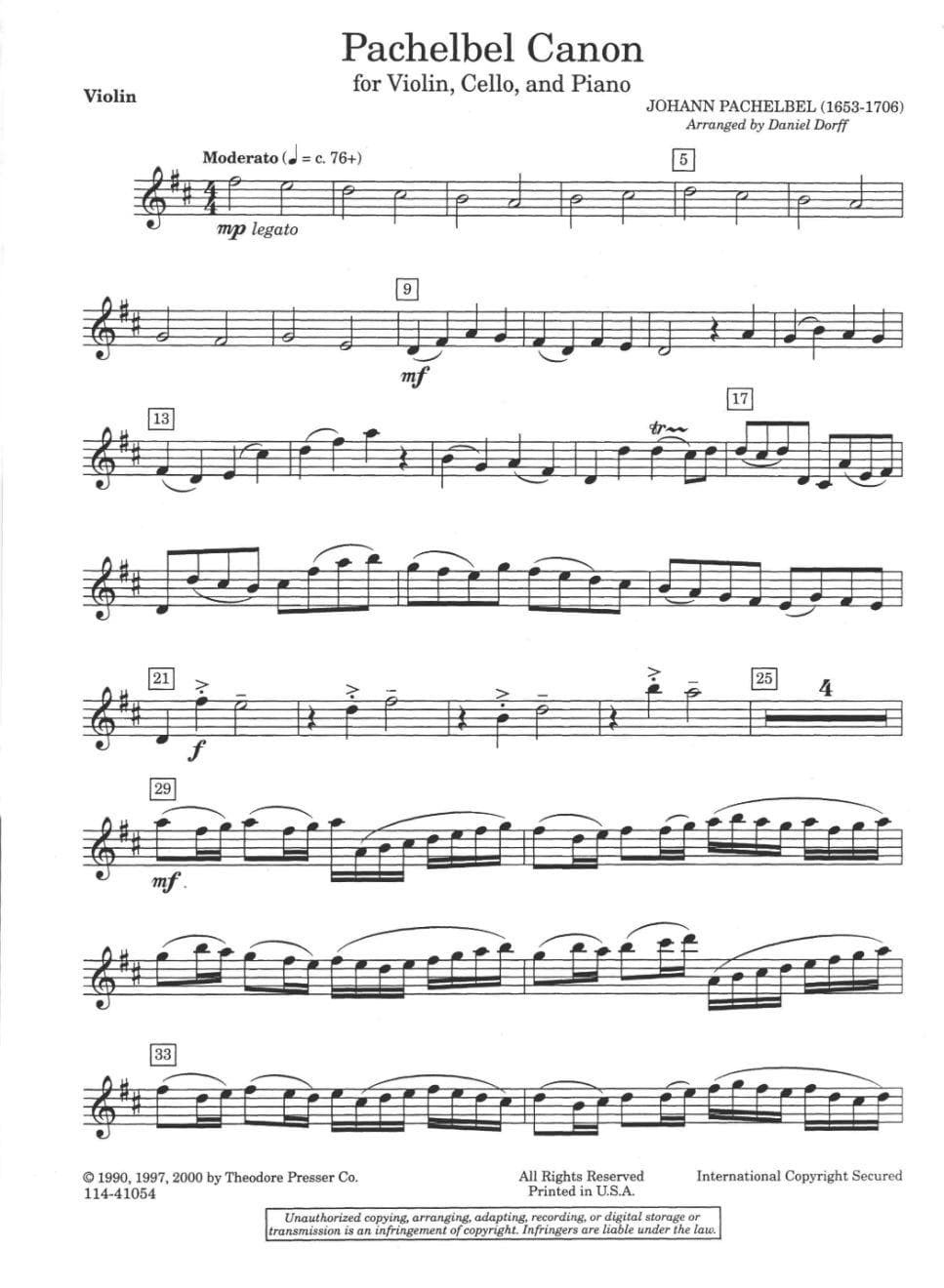
Although the piece was originally written for three violins and basso continuo, it has since been arranged for many instruments and skill levels. Today, sheet music is available for solo piano, violin, cello, guitar, flute, and numerous other instruments, as well as for small and large ensembles.
Choosing the Right Arrangement
Canon sheet music can vary considerably from one arrangement to another. Before choosing a version, consider your instrument, experience, and performance needs.
- Beginner arrangements: Simplified parts may use easier rhythms, fewer notes, or a more comfortable range. These can be a good choice for students who are learning the melody.
- Intermediate arrangements: These often retain more of the original texture while adapting difficult passages for developing players.
- Advanced arrangements: More challenging editions may include fuller harmonies, ornamentation, detailed dynamics, or parts closer to the original ensemble writing.
- Ensemble arrangements: Versions for strings, woodwinds, mixed instruments, or full orchestra let performers share the different musical lines.
Check the arrangement’s instrumentation and difficulty level before downloading or purchasing it. For ensemble performances, make sure the edition includes all the parts you need and that the ranges suit your players.
Reading the Music’s Repeating Pattern
The repeating bass progression is the foundation of Canon in D. Above it, the upper parts enter at intervals and develop variations on the musical material. When practicing, it can help to learn the recurring pattern first, then work on entrances, timing, and dynamics.
For solo instruments, an arrangement may combine the bass line and melody into one part. On piano, for example, the left hand often plays the harmonic foundation while the right hand carries the melody. On violin or flute, the arrangement may focus on a single melodic line rather than reproducing the entire ensemble texture.
Tips for Practicing Canon Sheet Music
- Start slowly. A comfortable tempo helps you play the notes accurately and keep the rhythm steady.
- Practice in short sections. Work through a few measures at a time, especially where the melody changes or a new phrase begins.
- Listen for the bass pattern. Recognizing the repeated foundation can make the piece easier to follow and help you stay oriented.
- Use a metronome if needed. The music’s regular pulse makes it well suited to metronome practice.
- Shape the phrases. Gentle changes in volume and expression can keep the repeating structure from sounding mechanical.
- Practice with other musicians. In an ensemble, listen carefully to the other parts and coordinate entrances and tempo.
Finding and Using Canon Sheet Music
Canon sheet music is available in print and digital formats. Digital scores can be convenient for practice on a tablet, while printed editions may be easier to annotate or use during a performance. Look for clear notation, readable page layouts, and information about the arranger and intended skill level.
The original composition is in the public domain in many countries, but a particular edition, transcription, or arrangement may still be protected by copyright. Always check the terms of use before copying, distributing, performing, or recording an arrangement. If you’re preparing music for a public event, confirm that you have the appropriate edition and permissions.
A Timeless Piece for Players of All Levels
From a first melody lesson to a formal string performance, Canon in D offers musicians many ways to explore its memorable harmonies and interlocking lines. With an arrangement that fits your instrument and playing level, Canon sheet music can make this Baroque favorite accessible, rewarding, and enjoyable to perform.
5 Benefits of Canon Sheet Music for Musicians of All Skill Levels
- Available for many instruments and ensembles.
- Offers arrangements for different skill levels.
- Features a memorable, recognizable melody.
- Helps develop timing and ensemble skills.
- Works well for lessons, performances, and events.
Canon Sheet Music Drawbacks: Varying Difficulty, Missing Parts, and Cost
- Arrangements can vary widely in difficulty.
- Some editions may omit parts of the original ensemble texture.
- Printed or licensed sheet music may cost money.
Available for many instruments and ensembles.
One of the biggest advantages of Canon sheet music is its availability for many instruments and ensembles. Whether you play piano, violin, guitar, flute, or another instrument, you can find an arrangement suited to your needs. Versions for solo performers, duets, string quartets, and larger ensembles also make it easy to enjoy the piece alone, practice with friends, or perform as a group.
Offers arrangements for different skill levels.
One major advantage of Canon sheet music is that it’s available in arrangements for different skill levels. Beginners can start with simplified versions that focus on the main melody and use easier rhythms, while more experienced musicians can choose arrangements with richer harmonies, added musical details, or more challenging parts. This makes the piece accessible to new players and gives them room to explore more advanced versions as their skills grow.
Features a memorable, recognizable melody.
One of the biggest advantages of Canon sheet music is its memorable, instantly recognizable melody. Its graceful phrases and repeating harmonic pattern make the piece easy for listeners to identify and enjoyable for musicians to learn. Whether performed at a wedding, concert, or lesson, the familiar tune creates an inviting connection with the audience.
Helps develop timing and ensemble skills.
Playing Canon sheet music is a great way to develop timing and ensemble skills. Its steady repeating bass line gives musicians a clear rhythmic foundation, while staggered entrances teach each player to listen closely and stay in sync with the group. As the melodies overlap, performers learn to balance their part, follow the tempo, and respond to the other musicians—skills that are useful in any ensemble.
Works well for lessons, performances, and events.
Canon sheet music is versatile enough for lessons, performances, and special events. Students can use it to practice melody, rhythm, and ensemble playing, while musicians can choose arrangements suited to solo or group performances. Its familiar, graceful sound also makes “Canon in D” a popular choice for weddings, ceremonies, and other memorable occasions.
Arrangements can vary widely in difficulty.
One drawback of Canon sheet music is that arrangements can vary widely in difficulty, even when they’re written for the same instrument. A version labeled “easy” may still include tricky rhythms, unfamiliar chords, or passages that are challenging for a beginner, while a more advanced edition may be overwhelming. Check the stated skill level and preview the notation before choosing an arrangement to make sure it matches your experience.
Some editions may omit parts of the original ensemble texture.
Some editions of Canon sheet music simplify the piece for a particular instrument or skill level, which can mean leaving out parts of the original ensemble texture. A solo arrangement, for example, may focus on the melody and basic accompaniment rather than the interweaving violin lines and bass part that give Pachelbel’s original its layered sound. This can make the music easier to play, but may feel less rich or complete to musicians who want to experience the full ensemble arrangement.
Printed or licensed sheet music may cost money.
One drawback of Canon sheet music is that printed editions and authorized digital copies may cost money. While the piece itself is widely available in different arrangements, professionally prepared scores can require a purchase, and ensemble performances may need several copies. This expense can be inconvenient for students, casual players, or groups working with a limited budget.