
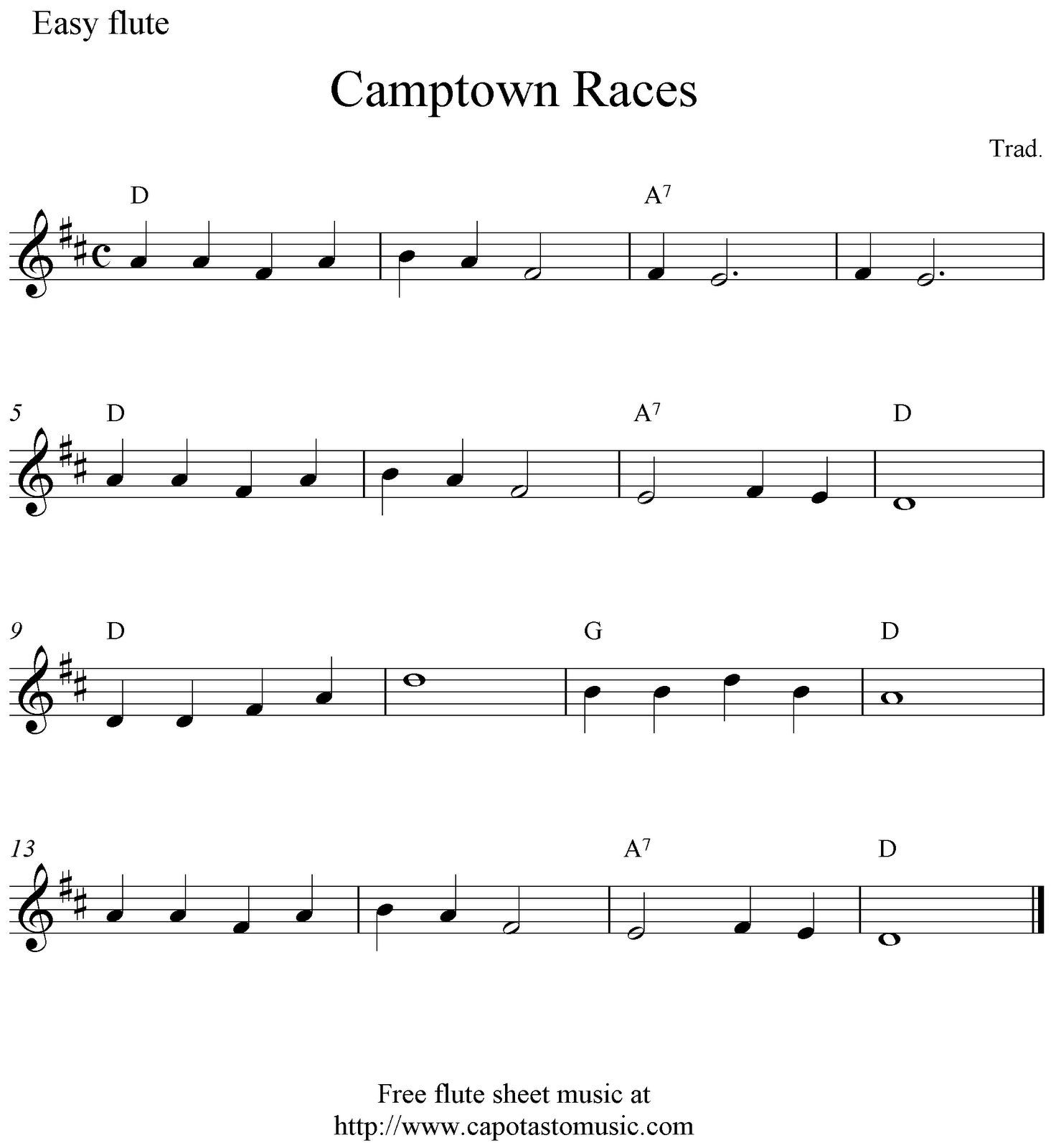
Flute Sheet Music: A Guide for Players of Every Level
Flute sheet music opens the door to a wide range of musical styles, from classical solos and orchestral parts to jazz, folk, and popular songs. Whether you are picking up the flute for the first time or expanding your repertoire, finding music that suits your experience and goals can make practice more enjoyable and rewarding.
Choosing the Right Flute Music
Start with sheet music that matches your current playing level. Beginner arrangements often use a limited range of notes, simple rhythms, and familiar melodies. As your skills develop, you can explore longer phrases, more complex rhythms, accidentals, and higher or lower notes.
It also helps to choose music you enjoy. A favorite song, a short classical piece, or a tune from a film can provide a motivating goal. If you are studying with a teacher, ask for recommendations that support the techniques you are working on.
Understanding the Flute’s Written Music
Flute music is generally written on the treble clef staff. The notes, rests, time signature, key signature, and other markings tell you what to play and how to shape the music. Dynamics such as piano (soft) and forte (loud) guide volume, while articulation marks indicate whether notes should be connected, separated, or emphasized.
Pay attention to breathing marks and phrase lengths. Flutists need to plan breaths without interrupting the musical line. If a part does not include suggested breathing points, mark places that feel natural, such as the ends of phrases or between sections.
Finding Sheet Music
Flute sheet music is available through music stores, libraries, publishers, and reputable digital sheet-music services. You may also find public-domain scores online. Before downloading or printing a piece, check that the arrangement is suitable for flute and that you have permission to use it. Copyright rules vary by country, and a song’s melody, arrangement, and printed edition may have different rights.
Some music is written specifically for solo flute, while other pieces are arranged for flute with piano, a duet partner, or an ensemble. Check the instrumentation before choosing a score. For an accompaniment, make sure the flute part and the piano or backing track are in compatible versions.
How to Practice with Sheet Music
- Review the score. Identify the key signature, time signature, tempo, and any unfamiliar symbols.
- Work in small sections. Practice a few measures at a time, especially where the rhythm or fingering feels challenging.
- Use a comfortable tempo. Start slowly enough to play accurately, then increase the speed gradually.
- Check rhythm and pitch. A metronome can help with steady timing, and a tuner can help you monitor intonation.
- Shape the phrases. Once the notes are secure, add dynamics, articulation, and thoughtful breathing.
- Play the whole piece. Practice complete run-throughs to build confidence and musical continuity.
Make the Music Your Own
Accurate notes are only the beginning. Listen to recordings when available, but use them as a reference rather than a substitute for reading the score. Notice how performers shape phrases, vary tone, and respond to the style of the music. Then apply those ideas in a way that feels natural to you.
With well-chosen flute sheet music and consistent practice, players can build technique while discovering new sounds and styles. Start with a piece that inspires you, take it one phrase at a time, and enjoy the progress that comes with every practice session.
8 Essential Tips for Mastering Flute Sheet Music
- Check the key signature before playing.
- Mark breaths at phrase endings.
- Practice tricky rhythms slowly.
- Watch for accidentals throughout each measure.
- Keep notes and rests clearly counted.
- Circle dynamic changes for quick reference.
- Use a pencil to mark fingerings.
- Turn pages before performance when possible.
Check the key signature before playing.
Before you begin playing, check the key signature at the start of the staff. It shows which notes are sharp or flat throughout the piece, unless a natural sign or another accidental changes them. Knowing the key signature helps you choose the correct fingerings, avoid missed notes, and get a feel for the music’s tonal center before you start.
Mark breaths at phrase endings.
Marking breaths at phrase endings helps you play flute music with a steady tone and natural musical flow. Look for pauses, long notes, or the ends of melodic ideas, and add breath marks where you can inhale without breaking the phrase. With thoughtful planning, you can avoid running out of air mid-line and make each passage sound more expressive.
Practice tricky rhythms slowly.
Practice tricky rhythms slowly before trying them at full tempo. Break the passage into small sections, count the beats out loud, and use a metronome to keep the timing steady. Once you can play each section accurately and comfortably, gradually increase the tempo while maintaining an even rhythm and relaxed technique.
Watch for accidentals throughout each measure.
Watch for accidentals throughout each measure when reading flute sheet music. A sharp, flat, or natural sign changes the pitch of its note and generally remains in effect for that note and octave through the rest of the measure, unless another accidental changes it. The next measure resets the note to the key signature, so take a moment to check each bar carefully. This small habit can help prevent wrong notes and make your playing sound more accurate.
Keep notes and rests clearly counted.
Keep notes and rests clearly counted as you practice flute sheet music to maintain a steady rhythm and avoid rushing or pausing unexpectedly. Use a metronome if needed, and count subdivisions—such as “1-and-2-and”—for tricky rhythms. Give rests their full value, and listen for how each note fits within the measure.
Circle dynamic changes for quick reference.
Circle dynamic changes in your flute sheet music so you can spot them quickly while playing. Marking shifts from soft to loud, or vice versa, helps you prepare the change in advance and shape each phrase with greater expression. Use a light pencil mark to keep the score easy to read.
Use a pencil to mark fingerings.
Use a pencil to mark fingerings in your flute sheet music, especially for unfamiliar notes, tricky transitions, or passages that keep slowing you down. Write the fingering lightly above the note so you can erase or update it as your technique improves. This simple reminder can make practice more efficient and help you focus on rhythm, tone, and musical expression instead of stopping to work out each fingering.
Turn pages before performance when possible.
Turn pages before the performance whenever possible so you can focus on playing instead of managing your sheet music. If a page turn falls in the middle of a passage, mark a convenient spot to turn early, arrange loose pages securely, or ask a page-turner for help. For digital sheet music, check that your device is charged and set up for easy hands-free page turns.