
Viola Sheet Music: A Guide for Players
Finding the right viola sheet music can make practicing more enjoyable and help you grow as a musician. Whether you’re picking up the viola for the first time or adding new pieces to your repertoire, choosing music that fits your level, interests, and goals is a good place to start.
What Makes Viola Music Different?
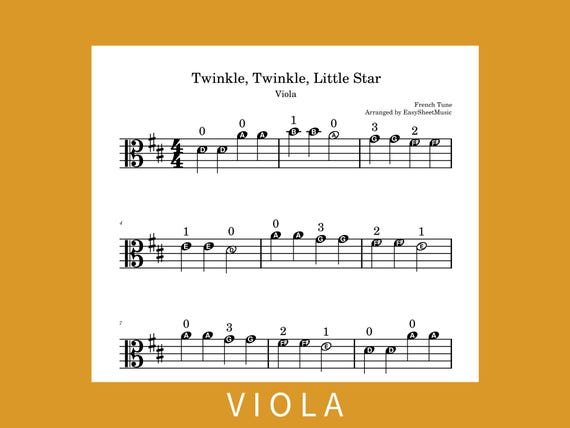
The viola has a warm, rich tone and often plays the middle harmonies in an ensemble. Unlike violin music, viola music is commonly written in alto clef, also called C clef. The center of the clef marks middle C, so players who are used to treble clef may need time to become comfortable reading it.
Some viola arrangements use treble clef, especially for higher passages. When reading or downloading a score, check which clef it uses and make sure the music is intended for viola—not simply a violin part that may sit too high or require adjustments.
Choosing Music for Your Level
Sheet music is most useful when it offers a manageable challenge. A piece that is too difficult can make practice frustrating, while music that is too easy may not help you develop new skills.
- Beginners: Look for short melodies with a limited range, simple rhythms, and clear fingerings. Beginner collections often introduce note reading, bow control, and basic playing positions gradually.
- Intermediate players: Consider pieces that build skills such as shifting, varied bow strokes, and more complex rhythms. Duets and ensemble parts can also help develop listening and timing.
- Advanced players: Explore demanding solo works, orchestral excerpts, and chamber music that challenge technique, musical interpretation, and ensemble awareness.
Descriptions on a score or music publisher’s website may list a grade level or performance difficulty. These labels can be helpful, but they are not always consistent across publishers. If possible, preview the music before choosing it.
Explore Different Styles
Viola sheet music is available in many styles, from classical repertoire to folk tunes, jazz, and contemporary music. Playing a variety of music can strengthen different skills and keep practice fresh. Classical pieces may emphasize phrasing and tone, while folk music can offer opportunities to explore rhythm and ornamentation. Popular-song arrangements can be a fun way to learn music you already know.
For ensemble playing, look for music written specifically for viola with piano, another string instrument, or a larger group. Duets and chamber works are especially useful for practicing balance, communication, and staying in time with other musicians.
Printed Music and Digital Scores
Printed sheet music can be easy to read and annotate, while digital scores are convenient to store and access on a tablet or computer. Some digital editions include playback, adjustable page turns, or practice tools. Choose a format that works well for your setup and allows you to read the notation comfortably.
Before buying or downloading music, check the details: instrumentation, clef, arrangement, difficulty, and whether the edition includes a piano accompaniment or other parts. A preview can help you confirm that the notes are legible and that the arrangement suits your needs.
Using Sheet Music Effectively
Once you have chosen a piece, take time to understand the score before playing through it. Identify the key signature, time signature, tempo markings, and any unfamiliar musical terms. Marking fingerings, bowings, and difficult passages can make practice more focused, especially when your teacher recommends specific choices.
Break challenging music into smaller sections. Practice slowly enough to play accurately, then gradually increase the tempo. A metronome can help with steady rhythm, and recording yourself can reveal details you might miss while playing. If you are studying with a teacher, bring questions about fingerings, bow distribution, and musical interpretation to your lesson.
Find Music You’ll Want to Play
The best viola sheet music is music that supports your development and inspires you to keep practicing. Explore different composers and styles, choose pieces suited to your current abilities, and give yourself room to grow. With a thoughtful selection of music and regular practice, each new score can bring fresh challenges—and a new way to enjoy the viola.
Viola Sheet Music: 9 Frequently Asked Questions
- Where can I find free viola sheet music?
- How do I read alto clef in viola sheet music?
- What viola sheet music is best for beginners?
- How can I tell whether sheet music is written for viola or violin?
- Where can I find viola sheet music with piano accompaniment?
- Can I download and print viola sheet music legally?
- What are some popular classical pieces for viola?
- How do I choose viola sheet music at the right difficulty level?
- Are there viola sheet music arrangements for popular songs?
Where can I find free viola sheet music?
You can find free viola sheet music through public libraries, music education websites, and online collections such as IMSLP, which offers many public-domain scores. Some musicians also share arrangements on platforms like MuseScore, though access and usage terms vary. Before downloading or performing a piece, check that the edition or arrangement is legally available for your intended use, especially if you plan to share, record, or publish it.
How do I read alto clef in viola sheet music?
In viola sheet music, alto clef is also called C clef because its center points to middle C, which sits on the middle line of the staff. From there, the notes move up or down one letter name as you move to the next line or space: the lines from bottom to top are F, A, C, E, and G, and the spaces are G, B, D, and F. Start by locating middle C, then use the key signature and note symbols as you would in other clefs. With regular practice, reading alto clef becomes more familiar.
What viola sheet music is best for beginners?
For beginners, the best viola sheet music features simple rhythms, a comfortable note range, and clear notation—ideally with fingerings, bowing suggestions, or a teacher’s guidance. Look for beginner method books and short, familiar melodies that introduce alto clef and basic techniques gradually. Choose music that feels approachable but still offers a small challenge, and confirm that the arrangement is written for viola rather than violin.
How can I tell whether sheet music is written for viola or violin?
Check the instrument label and clef: viola sheet music is often marked “Viola” and written in alto clef, where the middle line represents middle C. Violin music is usually marked “Violin” and written in treble clef. Some viola passages use treble clef, so the clef alone isn’t always conclusive—review the title, part label, and publisher’s description. If the score is unlabeled, compare its range and notes with the instrument’s typical playing range, or ask a music teacher.
Where can I find viola sheet music with piano accompaniment?
You can find viola sheet music with piano accompaniment through music stores, publisher websites, and reputable digital sheet music libraries. Search for the viola part and piano score together, and check that the edition matches your skill level and includes both parts—not just a piano backing track or a standalone viola part. Many listings offer sample pages, so you can review the notation and arrangement before purchasing.
Can I download and print viola sheet music legally?
Yes, you can download and print viola sheet music legally when it comes from an authorized source and the license or terms of use allow printing. Public-domain music may also be freely available, but check that the edition or arrangement itself isn’t protected by copyright. For copyrighted scores, use a licensed retailer, publisher, or subscription service, and follow its rules—such as printing only for personal use or within a specified number of copies. Avoid unauthorized downloads or sharing copies, which may violate copyright law.
What are some popular classical pieces for viola?
Popular classical pieces for viola include Telemann’s Viola Concerto in G Major, Stamitz’s Viola Concerto in D Major, and Hoffmeister’s Viola Concerto in D Major—favorites for players exploring the instrument’s solo repertoire. More advanced works include Walton’s and Bartók’s viola concertos, as well as Hindemith’s Der Schwanendreher. Players also enjoy Rebecca Clarke’s Viola Sonata and arrangements of Bach’s cello suites. The best choice depends on your experience, playing level, and the style of music you enjoy.
How do I choose viola sheet music at the right difficulty level?
Choose viola sheet music that challenges you without making it difficult to play accurately or enjoy practicing. Look for a piece with rhythms, note ranges, key signatures, and techniques you mostly know, plus a few new skills to work on. Beginner, intermediate, and advanced labels can help, but they vary by publisher, so preview the score when possible. If you’re unsure, ask a viola teacher to assess the piece and suggest where to start.
Are there viola sheet music arrangements for popular songs?
Yes, viola sheet music arrangements are available for many popular songs, including current hits, movie themes, and classic favorites. Arrangements vary in difficulty and may feature a solo viola part, piano accompaniment, or play-along tracks. Before choosing one, check that it is written specifically for viola, uses a comfortable range for your skill level, and includes any accompaniment you need.